

Your mental health matters more than you might realize. The habits you build every day can either lift your mood or weigh you down.
Imagine feeling more calm, focused, and positive simply by changing a few small things in your routine. What if you could discover easy habits that boost your mental strength and help you handle stress better? Keep reading to find out which habits can transform your mental well-being and make a real difference in how you feel each day.
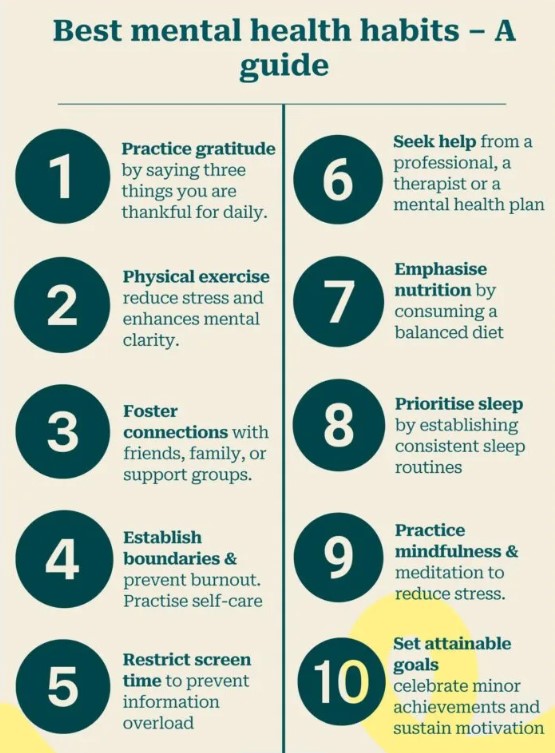
Daily Mindfulness Practices
Good habits help keep the mind calm and strong. Daily mindfulness is one way to improve mental health. It helps you focus on the present moment. This can reduce stress and make you feel happier. Small actions done every day build a peaceful mind.
Breathing Exercises
Simple breathing exercises calm your brain quickly. Taking slow, deep breaths lowers stress levels. Try this:
- Breathe in slowly through your nose for 4 seconds.
- Hold your breath for 4 seconds.
- Breathe out slowly through your mouth for 6 seconds.
- Repeat 5 times.
Doing this for a few minutes can help clear your mind.
Body Scan Meditation
Body scan meditation helps you notice tension. Sit or lie down quietly. Pay attention to each part of your body. Start from your toes and move up to your head. Notice any tight or tense areas. Breathe into those places and relax them.
This practice makes your body and mind feel more relaxed.
Mindful Walking
Mindful walking connects you with your surroundings. Walk slowly and feel each step. Notice how your feet touch the ground. Listen to sounds around you. Feel the air on your skin. This helps keep your mind in the present.
Gratitude Journaling
Writing down good things improves your mood. Each day, write 3 things you are thankful for. These can be small, like a sunny day or a kind word. This habit shifts your focus to positive thoughts and feelings.
Mindfulness Reminders
Set small reminders to practice mindfulness. Use alarms or sticky notes. Pause and take a deep breath. Notice how you feel right now. These short breaks help keep stress low all day.
Regular Physical Activity
Good mental health helps you feel happy and calm. Simple habits can improve your mind and mood. These habits make it easier to handle stress and feel better every day. Taking care of your mental health is very important for a good life.
Why Exercise Helps Your Mind
Exercise makes your brain release chemicals called endorphins. These chemicals make you feel happy and less stressed. Even a short walk can lift your mood. Moving your body helps reduce feelings of sadness and worry.
Types Of Physical Activity To Try
- Walking: Easy and good for all ages.
- Jogging or Running: Helps burn energy and clear your mind.
- Yoga: Combines movement and relaxation.
- Swimming: Gentle on joints and calming.
- Dancing: Fun way to be active and social.
How Often Should You Exercise?
Try to move your body for at least 30 minutes a day. Doing this 3 to 5 days a week is good for your mind. You can split exercise into shorter sessions if needed. Regular activity builds a habit and helps your brain stay strong.
Balanced And Nutritious Diet
Good mental health needs a healthy body. Eating well helps the brain work better. Foods give the body energy and keep the mind clear. A balanced diet supports mood, focus, and memory. Simple changes in eating habits can make a big difference.
What Is A Balanced Diet?
A balanced diet includes many types of food. It has fruits, vegetables, grains, protein, and healthy fats. Each food group gives different nutrients. These nutrients help the brain and body stay strong.
Foods That Help Mental Health
- Fruits and vegetables: Rich in vitamins and antioxidants.
- Whole grains: Provide steady energy for the brain.
- Lean proteins: Important for brain chemicals.
- Healthy fats: Found in fish, nuts, and seeds; support brain cells.
- Water: Keeps the brain hydrated and working well.
Foods To Limit
- Sugary snacks and drinks: Can cause mood swings.
- Fast food and fried items: May increase tiredness and stress.
- Too much caffeine: Can cause anxiety and sleep problems.
Tips For Eating Better Every Day
- Eat regular meals: Avoid long gaps without food.
- Choose whole foods: Less processed and closer to nature.
- Drink plenty of water: Aim for 6-8 glasses daily.
- Plan simple meals: Use easy recipes with fresh ingredients.
- Snack smart: Pick nuts, fruits, or yogurt instead of sweets.
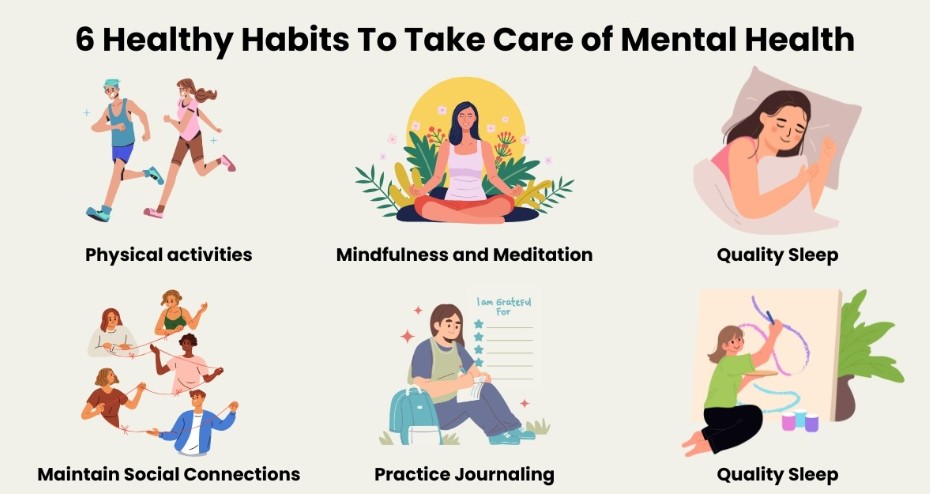
Quality Sleep Routine
Good mental health needs a strong sleep routine. Sleep helps the brain rest and heal. Without enough sleep, stress and sadness grow. A clear mind needs regular and calm sleep.
Set A Fixed Bedtime
Go to bed and wake up at the same time every day. This builds a natural body clock. It helps you fall asleep faster and sleep better.
Create A Relaxing Night Habit
Do quiet activities before bed. Reading a book or listening to soft music works well. Avoid screens and bright lights as they stop the brain from resting.
Make Your Sleep Place Comfortable
- Keep your bedroom cool and dark.
- Use a comfortable mattress and pillows.
- Remove noise and distractions.
Avoid Stimulants Before Bed
Do not drink coffee or tea late in the day. These drinks make it hard to fall asleep. Also, skip heavy meals and sugary snacks before bed.
Social Connections And Support
Mental health is very important for a happy life. Good habits can help keep the mind calm and strong. Simple daily actions can make a big difference in mood and stress levels. Building good routines helps the brain stay healthy and focused.
Strong social connections improve mental health. Talking with friends or family helps people feel safe and cared for. Having support reduces feelings of loneliness and sadness.
Regular contact with others brings a sense of belonging. It can also help people handle problems better. Sharing thoughts and feelings with others lightens the emotional load.
Good social support means:
- Having someone to listen without judging
- Feeling accepted and understood
- Getting help during tough times
- Building trust and friendship
Limiting Screen Time
Mental health benefits greatly from good daily habits. One key habit is limiting screen time. Too much time on phones, computers, or TVs can make people feel tired and stressed. Reducing screen use helps improve mood and focus. It also supports better sleep and lowers anxiety.
Why Limiting Screen Time Helps
Spending less time in front of screens reduces eye strain and mental overload. Screens often show fast changes and bright lights. This can make the brain feel tired and restless. Less screen time means more time for real-world activities. Such activities include talking with friends, walking, or reading a book.
How Much Screen Time Is Healthy?
Age Group | Recommended Screen Time |
Children under 2 years | Very little or none |
Children 2-5 years | Less than 1 hour per day |
Adults | Limit recreational use to 2 hours per day |
Tips To Reduce Screen Time
- Set specific hours for using devices.
- Take breaks every 30 minutes.
- Choose outdoor activities instead of screen time.
- Turn off notifications to avoid distractions.
- Use apps that track and limit screen use.
Setting Realistic Goals
Setting realistic goals helps improve mental health by reducing stress. Goals that are too hard can cause frustration and sadness. Goals that are easy to reach build confidence and keep motivation high.
Why Realistic Goals Matter
Realistic goals provide clear direction. They help focus your effort on what is possible. This can make daily tasks feel less overwhelming. When goals match your current skills and resources, success feels achievable.
How To Set Realistic Goals
- Start small: Choose goals that are easy to complete at first.
- Be specific: Clear goals are easier to follow.
- Make goals measurable: Know when you have reached them.
- Set a time frame: Deadlines help keep focus.
- Adjust goals: Change them if they are too hard or too easy.
Benefits Of Realistic Goals
Benefit | Explanation |
Less Stress | Goals that fit your abilities lower anxiety and pressure. |
More Motivation | Small wins keep you moving forward. |
Better Focus | Clear, simple goals make it easier to concentrate. |
Improved Confidence | Achieving goals boosts self-belief. |

Practicing Gratitude
Good mental health needs simple daily habits. One of these is practicing gratitude. This means noticing and appreciating the good things in life. It helps people feel happier and less stressed. Gratitude changes how the brain works. It focuses the mind on positive thoughts.
Benefits Of Practicing Gratitude
Feeling thankful can improve many parts of life.
- Reduces stress and anxiety levels.
- Improves sleep by calming the mind.
- Strengthens relationships with others.
- Boosts mood and overall happiness.
- Increases self-esteem by focusing on positives.
How To Practice Gratitude Every Day
Make gratitude a simple habit. Try these easy steps:
- Write down three good things each day.
- Say thank you to people who help you.
- Think about happy moments before sleeping.
- Notice small joys like nature or a smile.
- Share your gratitude with friends or family.
Common Challenges And Tips
Some find it hard to feel grateful. This is normal.
Try these tips to keep going:
- Start small with simple things.
- Be patient; habits take time to grow.
- Use reminders like notes or alarms.
- Talk about gratitude with friends to stay motivated.
Frequently Asked Questions
What Daily Habits Improve Mental Health Effectively?
Daily habits like regular exercise, good sleep, and mindfulness boost mental health. These actions reduce stress and increase happiness naturally. Small, consistent steps make a big difference over time.
How Does Social Connection Benefit Mental Health?
Strong social ties help reduce feelings of loneliness and anxiety. Talking with friends or family improves mood and builds support. Healthy relationships are key to a balanced mind.
Why Is Limiting Screen Time Good For Mental Health?
Too much screen time can increase stress and disturb sleep. Taking breaks from devices helps calm the mind and focus better. Balancing screen use supports clearer thinking and relaxation.
Conclusion
Good habits build a strong mind and bring calmness daily. Sleep well, eat healthy, and move your body often. Talk to friends and share your feelings. Take breaks and enjoy quiet moments alone. Practice gratitude and focus on positive thoughts.
Small steps lead to big changes in mental health. Keep these habits steady for a happier, clearer mind. Your mental well-being grows with care and time. Stay patient and kind to yourself always.
