

Are you feeling stuck or misunderstood in your relationship? You might be wondering, what does couple counselling do, and how can it help you and your partner?
Whether you’re facing constant arguments, communication problems, or simply want to strengthen your bond, couple counselling offers practical tools to improve your connection. This article will show you exactly how counselling works and what changes you can expect. Keep reading to discover how taking this step could transform your relationship for the better.
Goals Of Couple Counselling
Couple counselling helps partners work through issues and improve their relationship. It aims to create a safe space where both people can express feelings and thoughts. The goals of couple counselling focus on healing, understanding, and building a stronger bond.
Improving Communication
Many couples struggle to talk openly and honestly. Counselling teaches skills to listen and speak clearly. Partners learn to share feelings without blaming or attacking. This leads to better understanding and fewer fights.
Resolving Conflicts
Counselling helps identify the root causes of arguments. Couples explore solutions that work for both. They learn to solve problems calmly and respectfully. This reduces tension and builds trust.
Rebuilding Trust
Trust can break down after hurts or betrayals. Counsellors guide couples through honest conversations and forgiveness. Small steps help restore confidence in each other. Trust grows stronger over time.
Strengthening Emotional Connection
Couple counselling supports deepening love and care. Partners learn to appreciate each other’s needs and feelings. They create positive experiences and shared goals. This builds a loving and lasting relationship.
Setting Shared Goals
Couples often struggle with different visions for the future. Counselling helps set clear goals together. They plan for family, finances, and lifestyle. Working as a team creates unity and purpose.
Goal | Description | Benefits |
Improving Communication | Learn to express feelings clearly and listen actively. | Less misunderstanding and more connection. |
Resolving Conflicts | Find solutions that work for both partners. | Fewer fights and stronger teamwork. |
Rebuilding Trust | Work through past hurts with honesty and care. | Renewed confidence and safety in the relationship. |
Strengthening Emotional Connection | Develop deeper love and empathy. | Greater happiness and closeness. |
Setting Shared Goals | Create common plans for the future. | Clear direction and teamwork. |
Common Issues Addressed
Couple counselling helps partners work through many common problems. It creates a safe space for open talks, understanding, and healing. Many couples face similar struggles, and counselling guides them to find solutions together.
Communication Problems
Many couples find it hard to talk clearly and listen well. Counselling teaches ways to share feelings without anger or blame. It helps couples understand each other better, reducing fights and confusion.
Trust Issues
Trust can break down due to past actions or misunderstandings. Therapists help couples rebuild trust step by step. They focus on honesty, forgiveness, and setting clear boundaries.
Intimacy And Connection
Couples often struggle with feeling close or connected. Counselling explores emotional and physical intimacy challenges. It supports partners in expressing needs and deepening their bond.
Conflict Resolution
Arguments happen, but how couples manage them matters most. Therapy teaches healthy ways to solve conflicts without hurting each other. It encourages respect and finding win-win solutions.
Life Changes And Stress
Big changes like moving, jobs, or children can stress couples. Counselling helps them adapt and support each other during tough times. It builds teamwork and resilience.
Parenting Differences
Disagreements on raising children can cause tension. Therapists guide couples to align their parenting styles. They work on shared goals and consistent discipline approaches.
Common Issue | How Counselling Helps |
Communication Problems | Teaches clear speaking and active listening skills |
Trust Issues | Builds honesty and forgiveness over time |
Intimacy and Connection | Explores emotional needs and physical closeness |
Conflict Resolution | Promotes respectful and fair problem solving |
Life Changes and Stress | Supports adapting to new challenges together |
Parenting Differences | Helps create shared parenting plans |
Therapeutic Techniques Used
Couple counselling uses different methods to help partners improve their relationship. These therapeutic techniques help couples understand each other better and solve problems together. Counsellors choose techniques based on each couple’s needs. This section explains some common methods used during sessions.
Communication Skills Training
Many couples struggle with clear communication. Counsellors teach partners how to express feelings without blame. They also show how to listen actively and respond kindly.
- Using “I” statements instead of “you” statements
- Practicing active listening
- Giving and receiving feedback respectfully
Emotionally Focused Therapy (eft)
EFT helps couples understand their emotional responses. It focuses on creating safety and trust between partners.
- Identify negative patterns
- Explore underlying emotions
- Build secure emotional bonds
Cognitive Behavioral Therapy (cbt)
CBT helps couples change harmful thought patterns. It encourages positive behaviors and problem-solving skills.
CBT Focus | Purpose |
Identify negative thoughts | Stop misunderstandings and arguments |
Develop new thinking habits | Improve cooperation and support |
Practice problem solving | Handle conflicts calmly |
Imago Relationship Therapy
This therapy focuses on childhood experiences affecting adult relationships. Couples learn to understand each other’s deeper needs.
- Recognizing unconscious patterns
- Healing past wounds together
- Building empathy and connection
Solution-focused Brief Therapy (sfbt)
SFBT focuses on finding practical solutions quickly. It helps couples set clear goals and work toward them.
- Highlighting strengths
- Setting realistic goals
- Encouraging positive changes
Role Of The Counsellor
Couple counselling helps partners solve problems and improve their relationship. The counsellor plays a key role in guiding both partners through this process. They create a safe space for honest talks and help couples understand each other better. The counsellor uses special skills to support couples and find solutions together.
Creating A Safe Environment
The counsellor ensures a calm and respectful space. This helps both partners feel comfortable sharing their true feelings. Without judgment, couples can open up and talk honestly.
- Encourages respectful listening
- Protects confidentiality
- Manages strong emotions carefully
Facilitating Communication
Many couples struggle to express their thoughts clearly. The counsellor teaches how to speak and listen better. They guide conversations so both partners understand each other.
- Uses clear questions
- Reflects feelings back to partners
- Helps avoid blame and criticism
Identifying Patterns And Issues
The counsellor spots repeated problems and behaviors causing conflict. They help couples see these patterns and how to change them. This awareness is the first step to healing.
Common Patterns | How Counsellor Helps |
Avoiding tough talks | Encourages open discussion |
Blaming each other | Teaches responsibility and empathy |
Repeating old arguments | Guides new ways to solve problems |
Supporting Emotional Healing
Counsellors help partners heal from hurt and build trust. They guide couples to forgive and move forward. Emotional support is key to rebuilding a strong bond.
- Validates feelings
- Offers comfort during tough moments
- Encourages positive changes
Benefits For Relationships
Couple counselling helps partners improve their relationship by addressing conflicts and building understanding. It creates a safe space to share feelings and find solutions together. The process supports growth and strengthens bonds.
Improved Communication Skills
Counselling teaches couples to talk openly and listen carefully. It helps them express thoughts without blame or anger. Better communication reduces misunderstandings and fights.
Stronger Emotional Connection
Couples learn to recognize and respect each other’s feelings. This builds trust and closeness. A strong emotional bond makes the relationship more stable and loving.
Conflict Resolution Techniques
Counselling shows ways to solve disagreements calmly. Couples discover how to handle problems without hurting each other. This lowers stress and keeps peace in the relationship.
Understanding Relationship Patterns
Therapists help couples see their habits and repeated issues. Awareness of these patterns allows couples to change harmful behaviors. This leads to healthier interactions.
Support For Life Changes
Couple counselling helps partners face big changes like moving, jobs, or family growth. It guides them to stay connected through challenges. This support keeps the relationship strong.
Benefit | How It Helps |
Improved Communication | Clearer talking and listening, fewer fights |
Stronger Emotional Bond | More trust and closeness between partners |
Better Conflict Handling | Solving problems calmly and respectfully |
Awareness of Patterns | Changing harmful habits in the relationship |
Support Through Changes | Keeping connection during life challenges |
Signs Couple Counselling Can Help
Couple counselling helps partners improve their relationship by addressing problems together. It guides couples to communicate better and understand each other. Recognizing the signs couple counselling can help is important for getting support early.
Communication Breakdowns
When partners stop talking or argue often, counselling can help. It teaches healthy ways to share feelings and listen carefully. This reduces misunderstandings and builds trust.
Frequent Arguments
Constant fighting drains energy and harms love. Counselling offers tools to manage anger and solve conflicts calmly. It shows how to focus on solutions, not blame.
Loss Of Intimacy
Feeling distant or less connected is a common problem. Counsellors help couples explore emotions and rebuild closeness. Small changes can renew affection and physical connection.
Trust Issues
Trust is the foundation of any relationship. Counselling supports couples in healing from lies, betrayals, or broken promises. It encourages honesty and openness to regain trust.
Major Life Changes
Events like moving, new jobs, or having children can stress a couple. Counselling provides guidance to adapt and stay united during these shifts. It strengthens teamwork and coping skills.
Differences In Goals Or Values
Couples often grow apart due to different dreams or beliefs. Counselling helps find common ground and respect for each other’s views. It promotes compromise and understanding.
What To Expect In Sessions
Counselling sessions help couples talk about their feelings and problems in a safe place. These sessions offer support to understand each other better. Couples learn new ways to solve conflicts and improve their relationship. Here is what to expect during couple counselling sessions.
Initial Assessment And Setting Goals
The first session focuses on meeting the counsellor and sharing your story. Both partners explain their views about the relationship. The counsellor listens carefully and asks questions to understand the issues.
Goals for therapy are set together. These goals guide the sessions and help measure progress.
Open Communication Practice
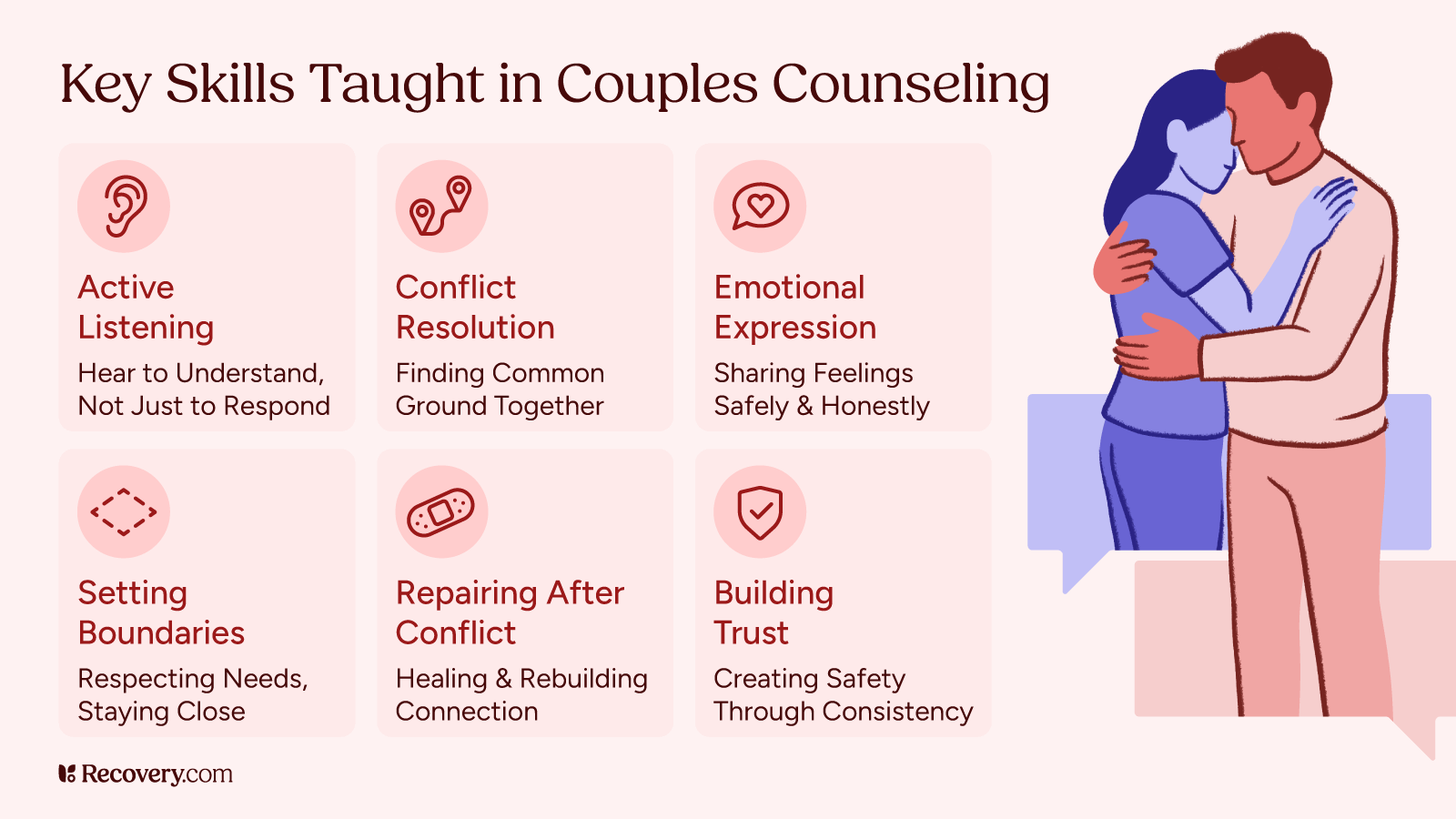
Counselling teaches couples to speak clearly and listen well. Sessions often include exercises to improve communication skills.
- Express feelings without blame
- Listen to understand, not to reply
- Use “I” statements to share thoughts
These skills help reduce misunderstandings and build trust.
Exploring Underlying Issues
Sessions go beyond surface problems to find root causes. This may include:
- Past experiences affecting the relationship
- Unmet emotional needs
- Patterns of behavior that cause conflict
Understanding these helps couples break negative cycles.
Learning Conflict Resolution Techniques
Couples learn ways to handle disagreements calmly. The counsellor guides them through steps like:
- Stay calm and avoid yelling
- Take turns speaking
- Find common ground
- Agree on solutions together
These tools help prevent fights from escalating.
Homework And Practice Between Sessions
Counsellors often assign tasks to do at home. These tasks support what is learned in sessions.
Type of Homework | Purpose |
Journaling feelings | Increase self-awareness |
Communication exercises | Practice new skills |
Shared activities | Rebuild connection |
Regular practice helps couples see real change in their relationship.
Long-term Impact On Couples
Couple counselling helps partners improve their relationship by addressing problems and building better communication. Its effects last beyond the sessions. The long-term impact on couples can change how they relate to each other for years. This section explores the lasting benefits of couple counselling for relationships.
Improved Communication Skills
Couple counselling teaches partners to express feelings clearly and listen actively. These skills help avoid misunderstandings and reduce conflicts over time.
- Use “I” statements instead of blaming
- Practice active listening
- Share feelings without judgment
Better communication creates a stronger emotional connection and helps couples solve problems together.
Stronger Emotional Bond
Sessions focus on rebuilding trust and showing empathy. Couples learn to understand each other’s needs and feelings better.
This leads to a deeper emotional bond that can last for years. Couples feel closer and more supported in their relationship.
Conflict Resolution Strategies
Counselling equips couples with tools to handle disagreements calmly. They learn to find solutions without escalating fights.
- Identify the real problem
- Stay calm during arguments
- Look for compromises
These strategies reduce stress and help couples manage future conflicts more effectively.
Increased Relationship Satisfaction
Couples report feeling happier and more satisfied after counselling. They understand each other’s desires and work as a team.
Benefit | Impact on Relationship |
Trust | Partners feel safer and more confident together |
Communication | Open, honest talks reduce misunderstandings |
Emotional Support | Couples feel cared for and valued |
Long-term Commitment To Growth
Counselling encourages couples to keep growing and improving their relationship. They learn that work on the relationship is ongoing.
Many couples develop habits that maintain love and respect. This helps them face life changes together with confidence.

Frequently Asked Questions
What Issues Can Couple Counselling Help Resolve?
Couple counselling helps with communication problems, trust issues, and frequent arguments. It guides partners to understand each other better and work through conflicts calmly.
How Does Couple Counselling Improve Relationship Communication?
Counselling teaches couples how to listen and speak clearly without blaming. It creates a safe space to share feelings and thoughts openly.
How Long Does Couple Counselling Usually Take?
The length varies but often lasts from a few weeks to several months. Progress depends on the couple’s commitment and the issues they face.
Conclusion
Couple counselling helps partners talk and understand each other better. It guides them to solve problems and reduce fights. Couples learn new ways to share feelings and listen well. It builds trust and brings couples closer again. Many find hope and peace through the process.
Stronger communication leads to a healthier relationship. Couples feel more connected and ready to face challenges together. It takes effort, but the results can last long. Counseling offers a safe space to grow as a team. A better relationship starts with small steps like these.
