
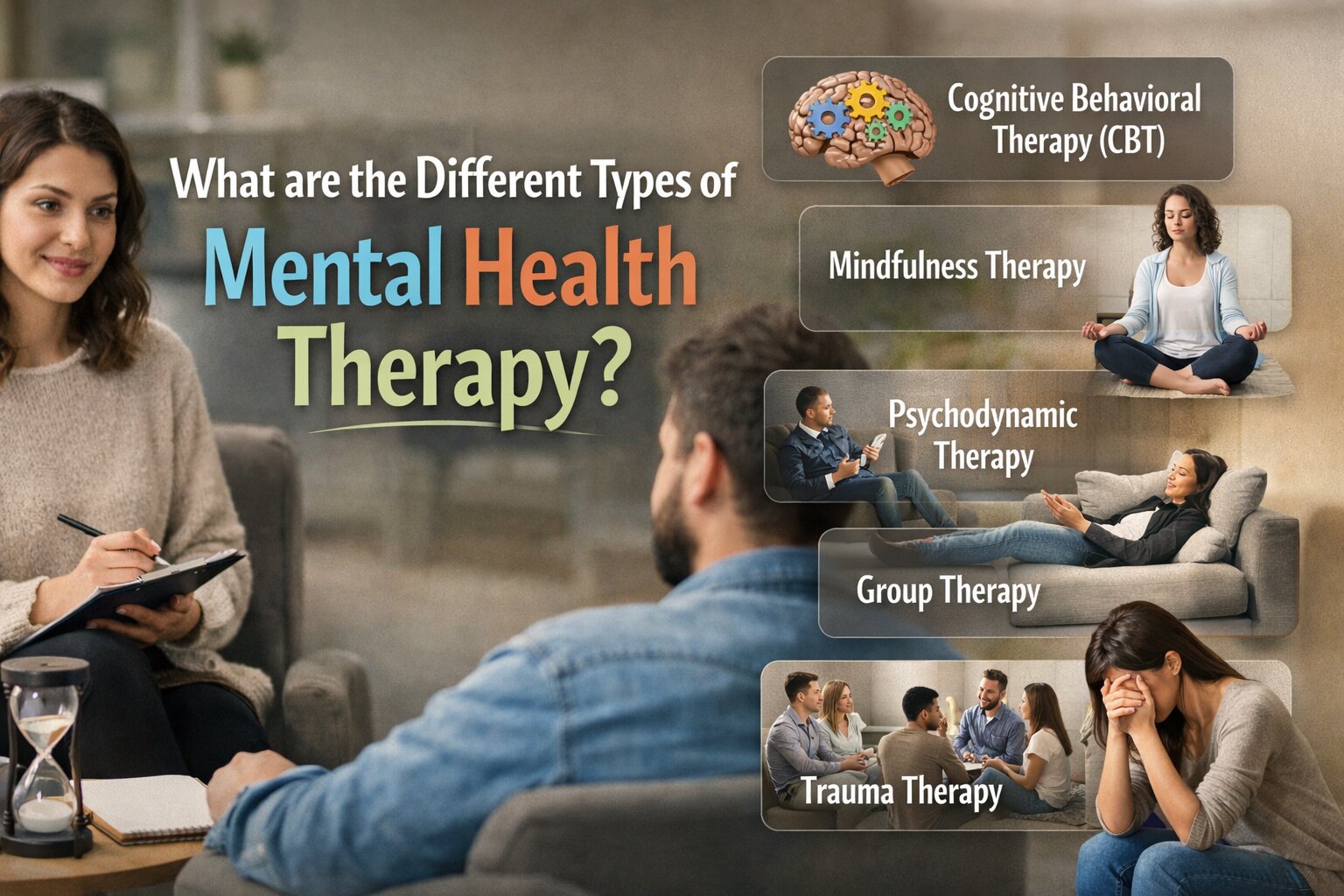
Are you wondering which type of mental health therapy might be right for you? Understanding the different options can feel overwhelming.
But knowing how each therapy works can help you make the best choice for your mind and well-being. You’ll discover clear explanations of the most common types of mental health therapy. By the end, you’ll feel more confident about finding the support you deserve.
Keep reading to learn what could make a real difference in your life.
Cognitive Behavioral Therapy
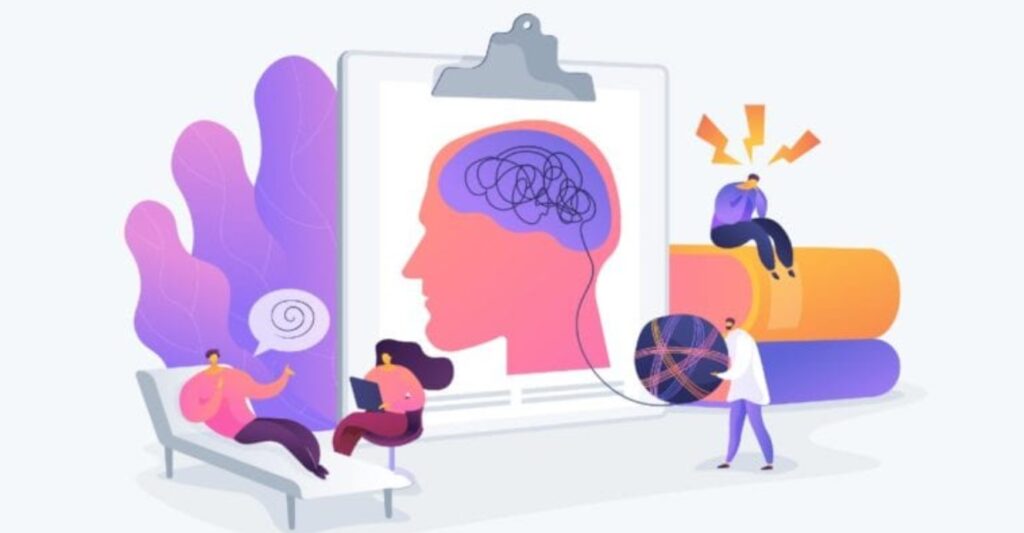
Mental health therapy helps people feel better and solve problems. Many types exist, each with a special way to help. Cognitive Behavioral Therapy (CBT) is one popular type. It focuses on how thoughts affect feelings and actions. Changing negative thoughts can improve mood and behavior. CBT is used for anxiety, depression, and other issues. It teaches skills to handle tough situations. Learning about CBT can show how it works and helps.
Core Principles
Cognitive Behavioral Therapy is based on clear ideas. It says thoughts, feelings, and actions connect closely. Changing one can change the others. This means bad thoughts can cause bad feelings and actions. Changing these thoughts can make people feel better.
Some main points of CBT include:
- Focus on the present: It looks at current problems, not past ones.
- Goal-oriented: Therapy sets clear goals to improve life.
- Active participation: People work on tasks outside sessions.
- Short-term: Usually lasts a few months, not years.
- Skills learning: Teaches ways to handle stress and problems.
CBT sees thoughts as the cause of feelings and actions. Changing thoughts helps break bad cycles. This makes it easier to deal with fears or sadness.
Common Techniques
CBT uses many methods to help change thoughts and actions. These techniques teach new ways to think and act. They are simple but effective.
- Cognitive restructuring: Finding and changing negative thoughts.
- Behavioral activation: Doing activities to improve mood.
- Exposure therapy: Facing fears safely to reduce anxiety.
- Relaxation training: Learning ways to relax and reduce stress.
- Problem-solving: Finding practical ways to fix problems.
Many therapists use worksheets and homework. These help practice skills outside sessions. Writing down thoughts helps notice patterns and change them.
Technique | Description | Purpose |
Cognitive Restructuring | Identify and change negative thoughts | Improve mood and reduce stress |
Behavioral Activation | Increase positive activities | Combat depression and inactivity |
Exposure Therapy | Face fears in safe steps | Reduce anxiety and avoidance |
Relaxation Training | Learn calming techniques | Lower stress and tension |
Problem-Solving | Develop ways to handle challenges | Build confidence and control |
Psychodynamic Therapy
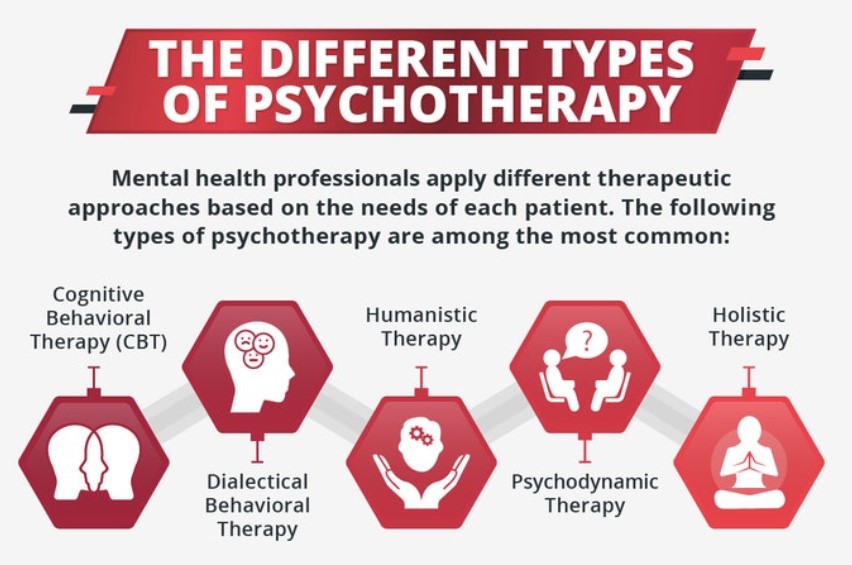
Mental health therapy helps people feel better by talking and understanding their thoughts. There are many types of therapy. Each type helps with different problems. Psychodynamic therapy is one type. It looks at feelings and thoughts deep inside a person’s mind. This therapy helps people see how past events affect their present life. It is useful for many emotional and mental struggles.
Focus On Unconscious
Psychodynamic therapy focuses on the unconscious mind. This means the thoughts and feelings that people do not know about. These hidden feelings can affect behavior without a person realizing it. The therapy helps bring these thoughts to the surface. This helps people understand why they feel or act a certain way.
Some key points about the unconscious focus:
- Hidden feelings influence actions and decisions.
- Past experiences shape current emotions and thoughts.
- Unaware thoughts can cause stress and conflicts.
- Making unconscious feelings clear helps reduce problems.
By exploring the unconscious, people learn more about themselves. This makes it easier to change harmful habits and improve mental health.
Therapeutic Process
The process in psychodynamic therapy takes time and trust. It usually involves regular sessions with a therapist. The person talks about their feelings, dreams, and memories. The therapist listens and helps find connections between past and present.
Steps in the therapeutic process include:
- Building a safe relationship with the therapist.
- Talking openly about thoughts and feelings.
- Exploring memories from childhood and important events.
- Understanding how past affects current behavior.
- Working through difficult emotions and conflicts.
This therapy may last for months or longer. The goal is to help people feel better and handle life’s challenges with more awareness and control.
Humanistic Therapy
Mental health therapy helps people feel better and solve problems. There are many types of therapy. Each type uses different ways to support mental health. Humanistic therapy is one type that focuses on the whole person. It looks at feelings, thoughts, and personal growth. This therapy helps people find their own answers and feel more confident. It values kindness, respect, and understanding between the therapist and the person. This approach sees people as good and able to improve their lives.
Person-centered Approach
The person-centered approach is a key part of humanistic therapy. It was created by Carl Rogers. This method trusts that people have the power to solve their own problems. The therapist acts as a guide, not a teacher. They listen carefully and show empathy. This helps people feel safe and understood.
Important features of the person-centered approach:
- Unconditional Positive Regard: Accepting the person without judgment.
- Empathy: Understanding the person’s feelings deeply.
- Congruence: Being honest and real with the person.
- Non-directive: Letting the person lead the conversation.
This approach helps people explore their feelings freely. It builds trust and self-esteem. People can grow and change in a supportive space. It works well for many issues like anxiety, depression, and self-confidence problems.
Key Methods
Humanistic therapy uses several methods to help people feel better. These methods focus on personal growth and self-awareness. The therapist creates a warm and caring environment. This makes it easier for people to open up and explore their feelings.
Common methods used in humanistic therapy include:
Method | Description |
Active Listening | The therapist listens carefully and reflects what the person says. |
Open-Ended Questions | Questions that encourage people to talk more about their feelings. |
Reflection | Repeating or rephrasing what the person says to show understanding. |
Encouragement | Supporting people to express themselves and trust their own thoughts. |
These methods help people feel heard and accepted. They also help people find new ways to see their problems. The focus is on growth, not just fixing problems. This approach helps people live happier and more fulfilling lives.
Dialectical Behavior Therapy
Mental health therapy helps people feel better and manage their emotions. There are many types of therapy. One important type is Dialectical Behavior Therapy, or DBT. DBT focuses on teaching skills to handle difficult feelings and improve relationships. It is often used for people who feel very upset or have trouble controlling emotions. DBT helps by teaching practical skills for daily life and emotional balance.
Emotional Regulation
Emotional regulation means learning how to control strong feelings. It helps stop feelings from becoming too big or out of control. People learn to notice their feelings and understand what causes them. This awareness is the first step to managing emotions better.
Key parts of emotional regulation include:
- Recognizing emotions: Knowing what you feel and why.
- Reducing emotional vulnerability: Taking care of your body and mind to feel more stable.
- Changing emotions: Using skills to change or reduce bad feelings.
Practicing these skills can help people stay calm in tough situations. It also lowers stress and helps make better choices. Emotional regulation is useful for many problems like anxiety, anger, or sadness.
Skills Training
Skills training is a big part of DBT. It teaches useful tools for handling life’s challenges. These tools help with emotions, relationships, and stress.
The main skill areas include:
Skill Area | Description |
Mindfulness | Paying attention to the present moment without judgment. |
Distress Tolerance | Handling pain or stress without making things worse. |
Emotional Regulation | Managing and changing intense emotions. |
Interpersonal Effectiveness | Improving communication and relationships with others. |
Learning these skills takes time and practice. Group sessions and individual therapy often help people practice. Using these skills daily can improve mood and relationships. It makes life easier to handle, even in hard times.
Interpersonal Therapy
Mental health therapy helps people feel better and solve problems. There are many types of therapy. Each type focuses on different issues and ways to heal. Interpersonal therapy is one type that helps with personal relationships. It looks at how people connect with others and how these connections affect their feelings. This therapy works by improving communication and solving relationship problems. It is useful for dealing with sadness, stress, and other mental health struggles. Understanding interpersonal therapy can help people find support and grow stronger emotionally.
Relationship Focus
Interpersonal therapy centers on the way people relate to each other. It helps people understand their feelings in relationships. The therapy looks at four main areas:
- Grief: Coping with loss of a loved one or a close relationship.
- Role disputes: Resolving conflicts with important people like family or friends.
- Role transitions: Adjusting to big life changes like moving or job loss.
- Interpersonal deficits: Improving social skills and building new relationships.
Therapists guide people to talk openly about their feelings. They help find better ways to communicate. This therapy can reduce loneliness and improve support from others. It also teaches ways to handle conflicts without hurting feelings.
Treatment Goals
The main goals of interpersonal therapy are clear and focused. They help people feel better in their daily life. These goals include:
- Improving communication: Learning to express thoughts and feelings clearly.
- Building better relationships: Strengthening bonds with family and friends.
- Managing emotions: Understanding and controlling strong feelings.
- Resolving conflicts: Finding peaceful solutions to problems with others.
- Adapting to changes: Helping people adjust to new life situations.
Therapists and clients work together to reach these goals step by step. Therapy usually lasts a few months. People learn useful skills that help them long after therapy ends. The focus stays on making life happier and less stressful.
Eye Movement Desensitization
Mental health therapy helps people feel better and manage their emotions. There are many types of therapy. One important type is Eye Movement Desensitization, or EMDR. It helps people deal with difficult memories and feelings. EMDR uses eye movements to reduce stress from past events. This therapy is often used for trauma and strong emotional pain. It can help people feel calmer and more in control. Understanding how EMDR works can show why many choose it for healing.
Trauma Processing
EMDR therapy focuses on healing trauma. Trauma means very bad or scary experiences that affect the mind. EMDR helps the brain process these memories in a new way. The goal is to reduce the pain linked to these memories.
During trauma processing, the therapist guides the person to recall the painful event. At the same time, the person moves their eyes back and forth. This eye movement helps the brain handle the memory differently. It makes the memory less upsetting.
Key points about trauma processing in EMDR:
- Helps reduce strong emotional reactions to past events.
- Uses eye movements to change how the brain stores trauma.
- Focuses on memories that cause distress.
- Supports the brain in healing naturally.
This process can take several sessions. Each session works on different memories or parts of the trauma. Over time, the person feels less stuck in their painful past. They can think about the event without strong fear or sadness.
Session Structure
EMDR therapy sessions follow a clear structure. This helps the person feel safe and supported. The therapist and the person work as a team. Together, they follow steps to make therapy effective.
Typical EMDR session steps:
Step | Description |
1. History Taking | The therapist learns about the person’s past and current issues. |
2. Preparation | The therapist explains EMDR and teaches calming techniques. |
3. Assessment | The person identifies specific memories and feelings to work on. |
4. Desensitization | The person recalls the memory while moving their eyes side to side. |
5. Installation | Positive beliefs are strengthened to replace negative thoughts. |
6. Body Scan | The person notices any physical tension linked to the memory. |
7. Closure | The therapist helps the person feel safe before ending the session. |
8. Reevaluation | In the next session, the therapist checks how the person feels. |
Each session usually lasts about 60 to 90 minutes. The number of sessions depends on the person’s needs. The structure helps keep therapy focused and clear.
Following this plan makes it easier to work through difficult memories. It gives a safe space to heal step by step.
Group Therapy
Mental health therapy helps people feel better and manage their emotions. There are many types of therapy. One common type is group therapy. Group therapy involves a small group of people meeting regularly. They talk about their feelings and problems together. A trained therapist guides the group. This therapy helps people connect with others who share similar struggles. It creates a safe space for sharing and support. Group therapy can be very powerful for healing and growth.
Group Dynamics
Group dynamics means how people in the group interact with each other. It is important for the success of group therapy. The way members communicate affects the whole group experience. A good group has trust, respect, and openness. The therapist helps the group stay focused and respectful.
Key aspects of group dynamics include:
- Trust: Members feel safe to share their thoughts.
- Support: People encourage and help each other.
- Communication: Open and honest talks build understanding.
- Rules: Clear guidelines keep the group respectful.
- Roles: Some members lead, others listen or share.
Group members learn from each other’s experiences. They see different points of view. This helps them feel less alone with their problems. The therapist watches group interactions and guides the process. They help solve conflicts and make sure everyone is heard. Good group dynamics make therapy sessions safe and helpful.
Benefits
Group therapy offers many benefits for mental health. It helps people feel connected and understood. Sharing problems in a group reduces feelings of loneliness. People also learn new ways to handle their emotions. The group setting provides real-life practice for social skills. Members get feedback and support from others.
Some main benefits are:
- Sense of belonging: Feeling part of a group helps self-esteem.
- Reduced isolation: Knowing others face similar issues brings comfort.
- Learning from others: Hearing different stories offers new ideas.
- Cost-effective: Group therapy often costs less than individual therapy.
- Improved communication: Practice sharing feelings in a safe place.
Groups also motivate members to keep working on their mental health. They celebrate progress together. This creates hope and strength for each person. Group therapy can be a strong part of healing and personal growth.
Family Therapy
Mental health therapy helps people handle emotional and psychological problems. There are many types of therapy. Each type focuses on different ways to support mental health. Family therapy is one important type. It involves family members working together to solve problems. This therapy helps improve communication and relationships inside the family. It supports each person and the family as a whole.
Systemic Approach
The systemic approach in family therapy looks at the family as one system. Every member affects and is affected by others. Problems are not seen as one person’s fault. Instead, the focus is on how family members interact and create patterns.
This approach sees the family as a whole. It studies:
- How family members communicate.
- The roles each person plays.
- The rules that guide family behavior.
- How problems affect the whole family.
Therapists help families find new ways to interact. They teach skills to improve understanding and support. The goal is to change unhealthy patterns. This helps everyone feel safer and closer.
Systemic Approach Features | Purpose |
Focus on family as a system | Understand how members affect each other |
Analyze communication patterns | Improve how family members talk and listen |
Identify family roles and rules | Change harmful behaviors and habits |
Support collective problem solving | Work together to handle challenges |
Role Of Family Members
Family members play key roles in therapy. Each person brings their feelings and views. Their participation helps the therapist understand the family’s problems.
Family members can:
- Share their thoughts and emotions openly.
- Listen to others without judging.
- Support each other during tough times.
- Practice new ways of solving problems.
- Work on building trust and respect.
Therapy asks family members to be patient and honest. Change is a slow process. Everyone must stay committed to improving relationships. Each member’s effort helps the family heal and grow stronger together.

Frequently Asked Questions
What Are The Main Types Of Mental Health Therapy?
Mental health therapy includes cognitive-behavioral, psychodynamic, and humanistic approaches. Each type focuses on different ways to help manage thoughts and feelings. Therapists choose methods based on individual needs.
How Does Cognitive-behavioral Therapy Work?
Cognitive-behavioral therapy helps change negative thinking patterns. It teaches skills to handle stress and improve behavior. This therapy is often short-term and goal-focused.
Who Can Benefit From Group Therapy Sessions?
Group therapy is helpful for people seeking support from others with similar issues. It builds social skills and reduces feelings of isolation. Many find comfort in shared experiences.
Conclusion
Mental health therapy comes in many types to fit different needs. Each therapy offers unique ways to help people feel better. Choosing the right one depends on your situation and goals. Talking with a professional can guide you to the best option.
Therapy is a step toward healing and growth. Taking that step shows strength and hope. Remember, help is available, and you don’t have to face challenges alone. Your mental health matters, and finding support is important. Keep learning and take care of yourself every day.
