

Your mental health matters, and you have the power to improve it without relying on medication. Imagine feeling calmer, more focused, and happier by making simple changes in your daily life.
You don’t need complicated treatments or expensive therapy sessions to start this transformation. You’ll discover easy, practical steps that can boost your mood and sharpen your mind naturally. Keep reading—your path to better mental health is closer than you think.

Lifestyle Changes
Improving mental health without medication often starts with simple lifestyle changes. These changes help balance your mind and body naturally. Small steps in daily habits can bring big benefits to your mood, energy, and overall well-being. Focusing on a balanced diet, regular exercise, and good sleep hygiene creates a strong foundation for mental health. These habits support the brain, reduce stress, and improve how you feel every day.
Balanced Diet
A balanced diet fuels your brain and body. Eating the right foods helps your mind stay sharp and your mood stable. Nutrients like vitamins, minerals, and antioxidants protect brain cells and improve brain function.
Key points to consider:
- Eat plenty of fruits and vegetables: They provide vitamins and antioxidants.
- Include whole grains: These release energy slowly and keep blood sugar steady.
- Choose healthy fats: Sources like fish, nuts, and olive oil support brain health.
- Limit sugar and processed foods: These can cause mood swings and low energy.
- Stay hydrated: Water helps brain cells work properly.
Here is a simple table to guide your daily food choices:
Food Group | Examples | Benefits for Mental Health |
Fruits & Vegetables | Spinach, berries, carrots | Rich in antioxidants and vitamins |
Whole Grains | Oats, brown rice, whole wheat | Steady energy release, supports mood |
Healthy Fats | Salmon, walnuts, olive oil | Supports brain cell health and function |
Proteins | Chicken, beans, eggs | Builds neurotransmitters that regulate mood |
Consistent healthy eating can improve focus, reduce anxiety, and increase happiness.
Regular Exercise
Exercise boosts mental health by releasing chemicals called endorphins. These chemicals improve mood and reduce stress. Physical activity also increases blood flow to the brain, helping it work better.
You do not need to exercise hard or long. Even 20 minutes of moderate exercise can help.
Benefits of regular exercise include:
- Improves sleep quality.
- Reduces symptoms of depression and anxiety.
- Increases energy and alertness.
- Promotes social interaction when done with others.
Examples of easy exercises:
- Walking in the park.
- Yoga or stretching routines.
- Light jogging or cycling.
- Home workout videos.
Try to find activities you enjoy. This makes exercise a habit, not a chore. Aim for at least 150 minutes of moderate exercise each week. Break it into smaller sessions if needed. The key is consistency.
Sleep Hygiene
Good sleep hygiene means creating habits that help you sleep well. Quality sleep is essential for mental health. It helps the brain process emotions, repair cells, and improve memory.
Poor sleep can cause irritability, poor concentration, and increased stress. Follow these tips for better sleep hygiene:
- Go to bed and wake up at the same time every day.
- Make your bedroom dark, quiet, and cool.
- Avoid screens and bright lights at least one hour before bed.
- Limit caffeine and heavy meals before bedtime.
- Practice relaxing routines like reading or deep breathing.
Here is a simple sleep hygiene checklist:
Sleep Habit | Action |
Consistent Schedule | Sleep and wake at the same time daily |
Environment | Keep room dark, quiet, and cool |
Pre-Sleep Routine | Read, meditate, or listen to calming music |
Avoid Stimulants | No caffeine or heavy food 3 hours before bed |
Limit Screen Time | Turn off devices 1 hour before bedtime |
Improving sleep hygiene strengthens mental clarity, mood stability, and emotional resilience.
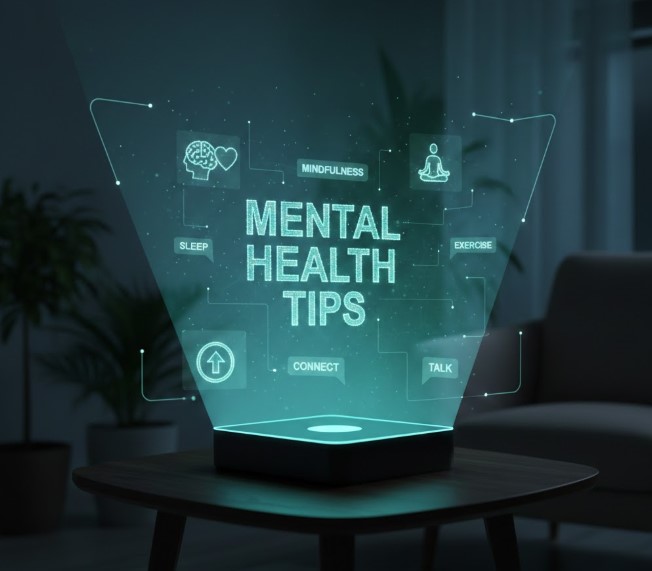
Mindfulness Practices
Mindfulness practices help improve mental health by focusing your attention on the present moment. These practices reduce stress and increase calmness. You do not need medication to feel better. Mindfulness helps you notice your thoughts and feelings without judgment. This awareness makes it easier to handle difficult emotions. Simple exercises like meditation and deep breathing can boost your mood and mental clarity. Practicing regularly builds resilience and peace of mind. Below are two key mindfulness techniques anyone can try.
Meditation Techniques
Meditation is a powerful tool to calm the mind and reduce anxiety. It involves sitting quietly and focusing your attention. The goal is to observe thoughts without reacting to them.
- Find a quiet place. Sit comfortably with your back straight.
- Focus on your breath. Notice the air moving in and out.
- Count your breaths. Count from one to ten, then start again.
- Observe your thoughts. Let them pass like clouds without holding on.
- Start small. Begin with 5 minutes daily and increase time gradually.
Meditation helps lower stress hormones and improves concentration. It also enhances emotional health by reducing symptoms of depression and anxiety.
Meditation Type | Description | Benefits |
Mindfulness Meditation | Focus on the present moment without judgment. | Improves awareness and reduces stress. |
Guided Meditation | Follow instructions from a teacher or app. | Easy for beginners to stay focused. |
Loving-Kindness Meditation | Focus on sending love and kindness to yourself and others. | Enhances positive feelings and empathy. |
Deep Breathing Exercises
Deep breathing calms the nervous system and lowers stress levels. It increases oxygen flow to the brain, helping you feel more relaxed.
Try these simple deep breathing exercises:
- Box Breathing: Inhale for 4 seconds, hold for 4 seconds, exhale for 4 seconds, hold for 4 seconds. Repeat.
- 4-7-8 Breathing: Inhale for 4 seconds, hold for 7 seconds, exhale slowly for 8 seconds.
- Diaphragmatic Breathing: Breathe deeply into your belly, not your chest. Place one hand on your belly to feel it rise and fall.
These exercises help slow your heart rate and reduce anxiety quickly. Practicing for 5 to 10 minutes daily can improve your mood and mental clarity.
Exercise | Steps | Benefits |
Box Breathing | Inhale 4s, hold 4s, exhale 4s, hold 4s. | Balances the nervous system, reduces stress. |
4-7-8 Breathing | Inhale 4s, hold 7s, exhale 8s. | Promotes relaxation, helps with sleep. |
Diaphragmatic Breathing | Belly breath deeply and slowly. | Improves oxygen flow, lowers anxiety. |
Social Connections
Strong social connections play a vital role in improving mental health without medication. Feeling connected to others helps reduce stress, anxiety, and feelings of loneliness. Humans need relationships to feel supported and understood. Building meaningful connections can boost mood and create a sense of belonging.
Building Supportive Relationships
Supportive relationships provide emotional comfort and practical help. These connections create a safe space to share feelings and challenges. To build such relationships:
- Listen actively: Pay close attention and show empathy during conversations.
- Be honest: Share your thoughts and feelings openly.
- Offer help: Small acts of kindness build trust and deepen bonds.
- Respect boundaries: Understand and honor each other’s limits.
- Stay consistent: Regular contact strengthens relationships over time.
Good relationships improve mental health by:
Benefit | Explanation |
Emotional support | Helps manage stress and negative emotions |
Sense of belonging | Reduces feelings of isolation and loneliness |
Increased happiness | Positive interactions boost mood and self-esteem |
Improved resilience | Stronger networks help cope with life challenges |
Start by reconnecting with family or friends. Join groups with shared interests. Practice kindness and patience as relationships grow.
Community Engagement
Being active in your community strengthens mental health. It creates a feeling of purpose and connection beyond personal circles. Community engagement can take many forms:
- Volunteer work: Helping others promotes positive emotions and reduces stress.
- Local clubs or classes: Meet new people who share your hobbies.
- Neighborhood events: Attend gatherings to feel part of your area.
- Support groups: Share experiences with people facing similar challenges.
Benefits of community involvement:
- Builds social networks: Expands your circle of friends and acquaintances.
- Enhances skills: Learn teamwork, communication, and leadership.
- Provides routine: Regular activities create structure in your life.
- Boosts confidence: Contributing to others makes you feel valuable.
Even small steps, like attending one event or helping a neighbor, make a difference. Community connections strengthen your mental health naturally and effectively.
Stress Management
Stress affects mental health deeply. Managing stress helps keep the mind calm and clear. It lowers anxiety and improves mood. Stress management does not need pills. Simple habits can ease tension and boost well-being. These habits fit daily life and support mental health naturally.
Time Management
Good time management reduces stress by giving control over the day. When tasks pile up, stress grows. Planning ahead helps avoid last-minute rushes and confusion. Break work into small steps to make it less scary.
Try these time management tips:
- Prioritize tasks: Do important things first. This stops feeling overwhelmed.
- Set realistic goals: Small goals are easier to finish. It feels good to complete them.
- Use a planner: Write daily tasks in a notebook or app. Check items off when done.
- Take breaks: Short rests improve focus. Work for 25 minutes, then rest 5 minutes.
Here is a simple daily schedule to manage time:
Time | Activity | Notes |
8:00 – 8:30 AM | Plan the day | List top 3 tasks |
8:30 – 10:00 AM | Work on Task 1 | Focus without distractions |
10:00 – 10:15 AM | Break | Stretch or walk |
10:15 – 11:45 AM | Work on Task 2 | Stay focused |
11:45 AM – 12:00 PM | Review progress | Adjust plan if needed |
Following a plan helps reduce anxiety about unfinished work. Time management creates space for rest and hobbies. It balances work and relaxation.
Relaxation Methods
Relaxation lowers stress and clears the mind. It slows the heart rate and eases muscle tension. Regular relaxation improves sleep and mood. Try different methods to find what suits best.
Common relaxation techniques include:
- Deep breathing: Breathe slowly and deeply. Count to four while inhaling and exhaling.
- Progressive muscle relaxation: Tighten muscles, hold, then relax. Move from feet to head.
- Meditation: Focus on the breath or a word. Let thoughts pass without judgement.
- Listening to calm music: Soft sounds help the brain relax.
- Nature walks: Being outdoors reduces stress hormones.
Use this simple breathing exercise:
- Sit comfortably. 2. Close your eyes. 3. Inhale deeply through the nose for 4 seconds. 4. Hold the breath for 4 seconds. 5. Exhale slowly through the mouth for 6 seconds. 6. Repeat 5 times.
Practice relaxation daily for 10-15 minutes. It refreshes the mind and body. Regular use lowers stress levels and improves mental health.
Creative Outlets
Creative outlets offer powerful ways to improve mental health without medication. They let the mind express feelings that words cannot always explain. Using creativity helps reduce stress, clear the mind, and boost mood naturally. People find peace and calm through hands-on activities. These outlets also build confidence and self-awareness.
Art Therapy
Art therapy uses drawing, painting, or crafting to improve mental health. It gives people a chance to show emotions without talking. This process can be very calming and helps to reduce anxiety and depression.
Art therapy works by:
- Encouraging self-expression
- Helping identify feelings
- Providing a distraction from negative thoughts
- Promoting relaxation through creative focus
It is easy to start art therapy at home with simple tools. You don’t need to be an artist to benefit. Just spending time with colors and shapes can lift your mood.
Activity | Benefits |
Drawing or Sketching | Improves focus and calms the mind |
Painting | Allows emotional release through color |
Clay Modeling | Reduces stress and improves hand coordination |
Art therapy sessions can be guided by a therapist or done independently. Try setting aside 20-30 minutes daily for creative work. Notice how your thoughts and feelings change.
Journaling
Journaling means writing down your thoughts and feelings regularly. It helps organize the mind and understand emotions better. Many people feel lighter after putting worries on paper.
Benefits of journaling include:
- Reducing stress by releasing negative thoughts
- Tracking moods and identifying patterns
- Improving problem-solving skills
- Boosting gratitude and positive thinking
Start journaling with these simple tips:
- Write for 10 minutes every day
- Be honest and don’t worry about grammar
- Focus on feelings or events that affect your mood
- Try gratitude journaling by listing things you appreciate
Use a notebook or a digital app, whichever feels easier. You can also create categories like:
Type of Journal | Purpose |
Emotional Journal | Express feelings and reduce anxiety |
Gratitude Journal | Focus on positive moments and increase happiness |
Goal Journal | Track progress and motivate yourself |
Journaling is a simple tool anyone can use. It helps clear the mind and improve mental health naturally.
Nature Exposure
Spending time in nature can greatly improve mental health without the need for medication. Nature exposure helps reduce stress, improve mood, and boost overall well-being. Simply being outdoors connects the mind and body to the natural world, offering a calming and refreshing experience. This connection supports mental clarity and emotional balance. Regular time outside can strengthen mental resilience and encourage positive thinking.
Benefits Of Outdoor Activities
Outdoor activities provide many mental health benefits. Fresh air and natural light increase serotonin levels, which help regulate mood. Physical movement outdoors also releases endorphins, natural chemicals that reduce pain and improve feelings of happiness.
- Reduces Stress: Nature lowers cortisol, the stress hormone.
- Improves Focus: Time outside restores attention and concentration.
- Boosts Mood: Exposure to sunlight increases serotonin production.
- Enhances Sleep: Natural light helps regulate sleep-wake cycles.
Outdoor activities vary widely, making it easy to find something enjoyable.
Activity | Mental Health Benefit | Physical Benefit |
Walking in the park | Reduces anxiety and clears the mind | Improves cardiovascular health |
Hiking | Builds resilience and improves mood | Strengthens muscles and endurance |
Cycling | Enhances focus and relieves depression | Boosts stamina and leg strength |
Bird watching | Increases mindfulness and patience | Encourages gentle walking |
Gardening And Green Spaces
Gardening and spending time in green spaces provide powerful mental health benefits. These activities create a sense of purpose and achievement, which lifts spirits and reduces feelings of depression. Growing plants or caring for a garden promotes mindfulness and patience, helping the mind stay present and calm.
Green spaces in cities, such as parks and community gardens, offer safe and quiet places to relax. Being surrounded by plants lowers blood pressure and heart rate, which helps the body relax. Access to green spaces encourages social interaction, reducing feelings of loneliness.
- Gardening: Improves mood and reduces anxiety by connecting with nature.
- Green Spaces: Provide a peaceful environment that supports relaxation.
- Social Benefits: Community gardens build friendships and support.
Simple gardening tasks can include:
- Planting flowers or vegetables
- Watering and weeding
- Pruning and harvesting
- Composting organic waste
All these actions engage the senses and provide gentle physical exercise. This combination improves mental clarity and reduces stress.
Professional Support
Professional support plays a key role in improving mental health without medication. It offers guidance and tools to manage emotions and thoughts. Many people find that talking with trained experts helps them understand their feelings. This support can come in different forms, such as therapy or group meetings. These options provide safe spaces to express concerns and learn coping skills. Seeking help does not mean weakness; it shows strength and willingness to heal. Professional help can build confidence and reduce stress in daily life.
Therapy Options
Therapy offers personalized care to improve mental health. It allows people to explore their emotions in a private setting. Therapists use various methods to help clients feel better. Here are common types of therapy:
- Cognitive Behavioral Therapy (CBT): Focuses on changing negative thoughts and behaviors.
- Talk Therapy: Encourages open conversations about feelings and experiences.
- Mindfulness-Based Therapy: Teaches awareness and presence to reduce anxiety.
- Family Therapy: Helps improve communication within families.
Each therapy type has its benefits. Choosing the right one depends on individual needs and goals. Therapists also guide clients to develop healthy habits and problem-solving skills. Regular sessions create a routine that supports mental wellness.
Therapy Type | Main Focus | Who It Helps |
Cognitive Behavioral Therapy | Change negative thought patterns | People with anxiety, depression |
Talk Therapy | Express feelings openly | Anyone needing emotional support |
Mindfulness-Based Therapy | Increase present moment awareness | Those with stress or worry |
Family Therapy | Improve family communication | Families facing conflict |
Support Groups
Support groups offer a sense of community and shared experience. They bring people together who face similar challenges. Group members listen and encourage each other. This connection reduces feelings of isolation. Support groups often meet regularly in person or online.
Benefits of joining a support group include:
- Learning new coping strategies from others
- Feeling understood and accepted
- Building friendships that motivate progress
- Sharing tips for managing daily stress
Groups vary by focus and size. Some target specific conditions like depression or anxiety. Others support general mental health. Facilitators guide discussions to keep them helpful and respectful.
Support Group Type | Focus | Meeting Format |
Condition-Specific Groups | Depression, anxiety, PTSD | In-person or online |
General Mental Health Groups | Overall emotional wellness | In-person or online |
Peer Support Groups | Shared life experiences | Usually informal, in-person |
Joining a support group can boost mental health by providing ongoing encouragement. It creates a safe place to share feelings and learn from others. The feeling of belonging can be very healing.
Digital Tools
Digital tools offer simple ways to support mental health without medication. These tools provide easy access to helpful techniques and information. Many people find them useful to manage stress, anxiety, and mood. They work anytime and anywhere, making mental health care more available. Using digital tools can be a good step towards feeling better and gaining control over emotions.
Mental Health Apps
Mental health apps provide guided exercises and tracking features. They help users build healthy habits and calm the mind. Some apps focus on meditation, while others offer mood tracking or cognitive-behavioral therapy (CBT) techniques. These apps often include reminders to practice self-care and relaxation.
Popular features in mental health apps:
- Guided meditation and breathing exercises
- Mood and habit tracking
- Sleep improvement tools
- Daily mental health tips
- Journaling and thought record tools
Here is a simple comparison of common mental health apps:
App Name | Key Feature | Best For | Cost |
Calm | Meditation and sleep stories | Stress and sleep | Free with paid upgrade |
Moodpath | Mood tracking and CBT exercises | Depression and anxiety | Free with paid upgrade |
Headspace | Guided mindfulness and meditation | Focus and stress | Subscription based |
Using these apps regularly can improve focus and emotional balance. Many users report feeling calmer and more aware of their mental state. Try different apps to find the one that fits your needs best.
Online Resources
Online resources include websites, videos, and forums that provide mental health support. These sources offer educational content, coping strategies, and peer support. They can help users understand mental health better and find ways to feel better naturally.
Types of online resources:
- Educational websites: Provide articles and guides on mental health topics.
- Video tutorials: Teach breathing exercises, yoga, and relaxation techniques.
- Support forums: Allow users to share experiences and get advice.
- Webinars and workshops: Offer live sessions with mental health experts.
Here is a list of recommended online resources:
- National Institute of Mental Health (NIMH) – Facts and advice
- Mind – Mental health charity with guides and tools
- Psychology Today – Articles and therapist directory
- 7 Cups – Free online counseling and support
Many resources are free and easy to access. They provide a way to learn and practice new skills. Using online resources regularly can build confidence and reduce feelings of isolation.
Frequently Asked Questions
What Are Simple Ways To Boost Mental Health Daily?
Regular exercise, good sleep, and healthy eating help improve mood. Spending time outdoors and practicing gratitude also support mental wellness.
Can Mindfulness Reduce Stress Without Medication?
Mindfulness helps focus on the present moment and lowers stress. It improves calmness and helps manage negative thoughts naturally.
How Does Social Connection Improve Mental Health?
Talking with friends or family reduces feelings of loneliness. Social support builds resilience and promotes a positive mindset.
Conclusion
Improving mental health without medication takes small, steady steps. Try daily habits like exercise, good sleep, and healthy eating. Talk to friends or a counselor to share your feelings. Practice mindfulness or simple breathing exercises to reduce stress. Remember, healing is a journey, not a race.
Be patient and kind to yourself along the way. These natural methods can help you feel better and stay balanced. Keep trying different ways until you find what suits you best. Your mental health matters—take care of it every day.
