
Feeling stuck in a dark place can make every day feel heavy and overwhelming. If you’re struggling with depression, you might feel alone, tired, or unsure where to turn next.
But there is hope—simple, practical steps can help you take back control and start feeling better. You’ll discover clear, easy-to-follow ways to lift yourself out of depression. Keep reading, because the path to feeling more like yourself again is closer than you think.
Recognizing Depression
Depression is more than feeling sad. It is a serious condition that affects how people think, feel, and act. Many people do not realize they have depression because symptoms can be different for everyone. Knowing the signs helps to get help early. This can make a big difference in feeling better.
Common Signs Of Depression
Feeling very sad or empty most of the day is a common sign. Other signs include:
- Loss of interest in activities once enjoyed
- Feeling tired and low energy
- Changes in appetite or weight
- Difficulty sleeping or sleeping too much
- Feeling worthless or guilty
- Problems thinking clearly or making decisions
- Thoughts of death or suicide
How Depression Affects Daily Life
Depression can make daily tasks feel hard. Simple things like getting out of bed, going to work, or talking to people can be very difficult. People might feel tired all the time or have little interest in friends and family.
Problems with memory and focus are common. This can affect school or job performance. Depression can also cause physical symptoms like headaches or stomachaches.
Who Can Get Depression?
Anyone can get depression. It does not matter age, gender, or background. Some people have a higher risk due to family history or stressful events. Examples include:
- Loss of a loved one
- Major life changes
- Chronic illness
- Loneliness or isolation
Understanding this helps reduce stigma. It is important to know that depression is a medical condition, not a weakness.
When To Seek Help
Seek help if symptoms last more than two weeks. Also, if feelings become very strong or cause thoughts of harming yourself. Talking to a doctor or counselor can lead to support and treatment.
Early help can improve recovery. It is okay to ask for support from family or friends too.
Seeking Professional Help
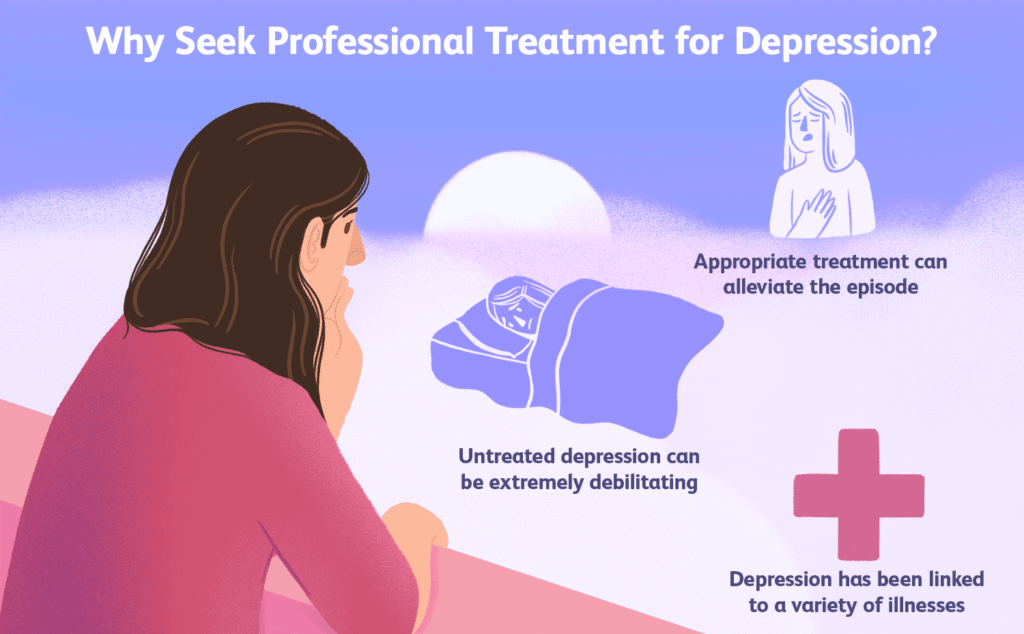
Depression can feel very hard to handle alone. Many people find it difficult to ask for help. Talking to a professional can make a big difference. Experts like doctors and therapists know how to guide and support people with depression. They offer ways to feel better that are safe and tested. Getting help is a strong first step to recovery.
Types Of Professionals To Consult
Several experts can help with depression:
- Psychiatrists: Medical doctors who can prescribe medicine.
- Therapists or Counselors: Specialists who listen and teach coping skills.
- General Practitioners: Family doctors who can provide initial support and advice.
What To Expect In Therapy
Therapy involves talking about feelings and problems. Therapists help find new ways to think and act. Sessions usually last 30 to 60 minutes and happen weekly. It may take some time to see changes, but patience is important.
Types Of Treatment Options
Treatment Type | Description | Purpose |
Drugs prescribed by psychiatrists to balance brain chemicals. | Reduce symptoms like sadness and tiredness. | |
Cognitive Behavioral Therapy (CBT) | Focuses on changing negative thoughts and behaviors. | Helps build healthier thinking patterns. |
Talk Therapy | General discussions to express feelings and find solutions. | Support emotional healing and self-understanding. |
How To Find The Right Help
- Ask trusted people for recommendations.
- Check online reviews for local professionals.
- Contact clinics or hospitals to ask about services.
- Call and ask questions before making an appointment.
Therapy Options
Depression can make life feel very hard and dark. Many people find it difficult to enjoy simple things or feel happy. Therapy helps by giving tools and support to cope with feelings. It teaches new ways to think and act. This guide talks about some popular therapy options to help people feel better.
Cognitive Behavioral Therapy
Cognitive Behavioral Therapy (CBT) is a common way to treat depression. It helps change the negative thoughts that cause sadness. The goal is to find thoughts that are not true or helpful and replace them with better ones.
CBT usually includes:
- Identifying negative thoughts: Learning to spot harmful thinking patterns.
- Changing behaviors: Doing activities that improve mood.
- Problem-solving skills: Finding ways to handle challenges.
- Setting goals: Small steps to build confidence.
This therapy is often short-term, lasting about 10 to 20 sessions. People learn skills that they can use every day. It works well because it focuses on both thoughts and actions. Many find it helpful to feel more in control.
Interpersonal Therapy
Interpersonal Therapy (IPT) focuses on improving relationships and social life. Depression can hurt how people connect with others. IPT helps find ways to fix or improve these connections.
Key parts of IPT are:
- Understanding relationship problems: Seeing how these affect feelings.
- Improving communication: Learning to express needs clearly.
- Building support networks: Finding people who can help.
- Handling life changes: Adapting to events like loss or moving.
This therapy usually lasts 12 to 16 weeks. It helps by focusing on current relationships, not past events. People often feel less alone and more supported after IPT. It builds stronger bonds that lift mood.
Other Therapeutic Approaches
Besides CBT and IPT, several other therapies can help with depression. Each works in a different way and fits different needs.
Some options include:
- Psychodynamic Therapy: Explores deep feelings and past experiences.
- Mindfulness-Based Therapy: Teaches focus on the present moment.
- Behavioral Activation: Encourages doing activities to improve mood.
- Group Therapy: Shares experiences with others in a safe space.
- Family Therapy: Works on family support and communication.
Choosing the right therapy depends on personal needs and preferences. Talking with a professional can help find the best fit. Many find that combining therapies works well, too. The important part is to get help and keep trying.

Medication Choices
Depression is a serious condition that affects many people. Medicine can help improve mood and daily life. Choosing the right medicine is important for feeling better.
Types Of Antidepressants
Antidepressants are medicines used to treat depression. There are several types, each working differently in the brain. Common types include:
- Selective Serotonin Reuptake Inhibitors (SSRIs): Often the first choice. They raise serotonin levels to improve mood.
- Serotonin-Norepinephrine Reuptake Inhibitors (SNRIs): Help increase serotonin and norepinephrine in the brain.
- Tricyclic Antidepressants (TCAs): Older medicines that can be effective but have more side effects.
- Monoamine Oxidase Inhibitors (MAOIs): Used less often due to strict diet rules and side effects.
How To Choose The Right Medicine
Doctors consider many things before prescribing medicine. Important factors include:
- Symptoms: Some medicines work better for certain symptoms.
- Side Effects: Each medicine has different possible side effects.
- Other Health Issues: Some medicines may not be safe with other illnesses.
- Past Medicine Use: What has worked or not worked before.
What To Expect From Medication
Medicine for depression does not work instantly. It can take several weeks to feel better. Side effects may appear at first but often improve with time.
It is important to keep taking the medicine as the doctor says. Stopping suddenly can cause problems.
Common Side Effects
Medicine Type | Common Side Effects |
SSRIs | Nausea, headache, trouble sleeping, dry mouth |
SNRIs | Dizziness, sweating, tiredness, nausea |
TCAs | Dry mouth, blurred vision, constipation, weight gain |
MAOIs | Low blood pressure, dizziness, dietary restrictions |
Lifestyle Changes
Depression is a hard experience that affects many people. Changing daily habits can help improve mood and energy. Simple lifestyle changes give the mind and body a better chance to heal. This guide focuses on three important areas: exercise, eating, and sleep. Each area plays a key role in feeling better day by day.
Exercise And Physical Activity
Exercise helps the brain release chemicals that lift mood. Moving the body can reduce stress and improve sleep. It does not need to be hard or long. Even small steps make a difference.
- Start slow: Walk for 10 minutes a day.
- Choose activities you like: Dancing, gardening, or stretching.
- Be consistent: Try to move every day, even a little.
- Group activities: Join a class or walk with a friend for support.
Exercise also helps increase energy and focus. It can improve self-esteem and reduce feelings of sadness. Regular physical activity is a strong tool against depression.
Healthy Eating Habits
Good food supports the brain and body. Eating balanced meals helps keep energy steady. Avoiding too much sugar and junk food reduces mood swings.
Food Group | Examples | Benefits |
Fruits and Vegetables | Apples, spinach, carrots | Vitamins and minerals for brain health |
Whole Grains | Brown rice, oats, whole wheat | Slow energy release, mood stability |
Protein | Fish, beans, chicken | Builds brain chemicals, supports muscles |
Healthy Fats | Olive oil, nuts, avocados | Supports brain function and mood |
Eating regular meals and drinking water also help. Avoid skipping meals to keep energy and mood steady.
Sleep Hygiene
Good sleep is important for mental health. Poor sleep can make depression worse. Creating a calm and steady sleep routine helps the mind rest.
- Set a regular bedtime: Go to bed and wake up at the same time daily.
- Create a relaxing routine: Read or listen to soft music before bed.
- Limit screen time: Avoid phones and TV at least one hour before sleep.
- Keep the bedroom cool and dark: Helps the body relax and fall asleep.
Sleep helps the brain process emotions and recover energy. Good sleep habits improve focus, mood, and overall health.
Building A Support Network
Depression can feel very heavy and hard to face alone. Building a strong support network is key to feeling better. Support from others gives strength and hope. It helps to share feelings and reduces loneliness. A support network includes people who listen, understand, and care. This makes the journey out of depression a bit easier. Many find comfort in close relationships and groups with similar experiences. Support is not just about advice but about kindness and presence. Having people around can bring light during dark times.
Friends And Family
Friends and family are often the first support people turn to. They know you well and can offer comfort and care. Talking openly with them helps release pain and worry. Sometimes just having someone listen is enough to feel relief. It is important to choose people who are kind and patient.
Ways friends and family can help:
- Offer a safe space to talk without judgment
- Help with daily tasks when feeling low
- Encourage healthy habits like eating and sleeping well
- Spend time together to reduce feelings of loneliness
- Notice signs of worsening mood and gently suggest professional help
Building trust with loved ones takes time. Sharing small feelings first can open doors to deeper talks. Remember, they want to help but may not always know how. Patience and honest communication help everyone understand each other better.
Support Groups
Support groups bring together people who share similar struggles. They provide a space to feel understood and less alone. Listening to others’ stories can offer hope and new ideas to cope. Groups often have a leader who guides the talks and keeps things safe.
Benefits of support groups include:
- Connecting with people who know what depression feels like
- Learning new ways to handle tough emotions
- Finding motivation from others’ progress
- Building friendships that extend beyond the group
- Feeling accepted without fear of judgment
Many groups meet in person or online, making them easy to join. It is okay to try different groups to find the right fit. The key is feeling comfortable and supported. Joining a group can be a big step toward healing and hope.
Coping Strategies
Depression can feel heavy and hard to move through. Finding ways to cope helps ease the burden. Simple strategies can bring small changes that matter. These help calm the mind, express feelings, and find joy again. Learning to manage depression takes time but is possible. Some tools work well for many people. Here are some ways to start feeling better step by step.
Mindfulness And Meditation
Mindfulness means paying full attention to the present moment. It helps stop worrying about the past or future. Meditation is a practice that trains the mind to focus and relax.
Benefits of mindfulness and meditation include:
- Reducing stress and anxiety.
- Improving mood and calmness.
- Helping to notice and accept feelings.
- Increasing focus and clarity.
Simple ways to practice:
- Sit quietly and breathe deeply for 5 minutes.
- Focus on the breath or sounds around you.
- Notice thoughts without judging them.
- Try guided meditation apps or videos.
Daily practice can slowly change how you feel. Even a few minutes each day can help. It teaches the brain to stay calm and less caught up in sadness.
Journaling
Writing thoughts and feelings in a journal can be very helpful. It gives a safe place to express what is inside. Putting words on paper helps make sense of difficult emotions.
Ways journaling helps:
- Clarifies thoughts and feelings.
- Reduces stress by releasing emotions.
- Tracks mood changes over time.
- Encourages positive thinking.
Try these tips to start journaling:
- Write freely without worrying about spelling or grammar.
- Describe your day or how you feel right now.
- List things you are grateful for each day.
- Set small goals and note your progress.
Journaling can be quick or longer. The goal is to be honest and kind to yourself. It helps to see patterns and gives a sense of relief.
Creative Outlets
Using creativity can lift the spirit and distract from negative thoughts. Art, music, or other activities open up new ways to express yourself.
Common creative outlets include:
Activity | Benefits |
Drawing or Painting | Calms the mind and shows emotions visually. |
Playing Music or Singing | Improves mood and releases tension. |
Dancing or Moving | Boosts energy and connects body and mind. |
Writing Stories or Poems | Encourages imagination and self-expression. |
Creative activities do not need to be perfect. The goal is to enjoy the process and feel more alive. Trying new things can also bring small moments of joy and hope.
Preventing Relapse
Depression can return if care is not kept up. Staying well takes small steps every day. It helps to build habits that protect your mood. These habits make it easier to keep feeling better long term.
Keep A Regular Routine
Having a daily routine helps the mind and body stay balanced. Try to:
- Wake up and sleep at the same time every day.
- Eat meals at regular hours.
- Plan simple activities to do each day.
This creates a sense of control and safety.
Stay Connected With Others
Talking with friends and family can lift your spirits. Isolation can make depression worse. Make time to:
- Call or meet someone you trust regularly.
- Join groups or clubs with shared interests.
- Share feelings instead of keeping them inside.
Watch For Warning Signs
Early signs of relapse include feeling sad, tired, or losing interest. Pay attention to:
- Changes in sleep or appetite.
- Feeling hopeless or anxious.
- Withdrawing from people or activities.
Act quickly if these signs appear. Talking to a doctor or counselor helps.
Keep Up Treatment
Continuing therapy or medication lowers relapse risk. Even when feeling well, do not stop without advice. Steps to follow:
- Attend all doctor appointments.
- Take medicine as prescribed.
- Talk about any side effects or problems.
Practice Healthy Habits
Good habits help keep the mind strong. Some helpful habits:
Habit | Why It Helps |
Exercise regularly | Boosts mood and energy levels |
Eat nutritious food | Supports brain and body health |
Get enough sleep | Improves thinking and mood |
Practice relaxation | Reduces stress and tension |

Frequently Asked Questions
What Are Simple Steps To Get Out Of Depression?
Start by talking to someone you trust. Try small daily goals like walking or eating well. These small actions can help improve mood over time.
How Long Does It Take To Recover From Depression?
Recovery time varies for each person. Some feel better in weeks, others take months or longer. Patience and support are key during healing.
Can Lifestyle Changes Help Reduce Depression Symptoms?
Yes, healthy habits like regular exercise and good sleep improve mood. Eating balanced meals and avoiding alcohol also help. Small changes make a big difference.
Conclusion
Getting out of depression takes time and small steps. Start by talking to someone you trust. Try simple activities that bring a little joy each day. Remember, healing is not a straight path. Some days feel better, some days are hard.
Keep going even when it feels tough. You are not alone in this fight. Help is available, and you deserve to feel better. Take care of yourself one moment at a time. Hope grows with patience and effort. Keep believing in a brighter tomorrow.
