

Feeling overwhelmed by sadness or hopelessness can make everyday life feel heavy and exhausting. If you’re struggling with depression, you might wonder if counseling can really make a difference for you.
The truth is, counseling offers powerful tools that can help you understand your feelings, find new ways to cope, and start feeling better step by step. You’ll discover exactly how counseling works to lift the weight of depression and why reaching out for help could be the best choice you make for your mental health.
Keep reading to learn how counseling can change your life.
Role Of Counseling In Depression
Counseling offers support for people with depression. It helps them understand their feelings and thoughts. Talking to a counselor can provide a safe place to share worries. This can reduce stress and help find ways to cope. Many people feel less alone after counseling.
Understanding Depression
Depression is more than just feeling sad. It affects how people think, feel, and act. It can cause tiredness, loss of interest, and trouble sleeping. Knowing these signs helps to get the right help. Counseling helps explain what depression is and why it happens.
How Counseling Works
Counseling involves talking with a trained person. They listen without judging. Counselors ask questions to understand feelings and problems better. They help find patterns in thoughts and actions. Together, they work on ways to feel better.
Type | Description |
Focuses on changing negative thoughts and behaviors. | |
Interpersonal Therapy (IPT) | Helps improve personal relationships and social skills. |
Psychodynamic Therapy | Explores past experiences that affect current feelings. |
Benefits Of Counseling
- Better understanding of emotions and thoughts.
- Improved coping skills for daily life.
- Support with problem-solving and decision-making.
- Reduced feelings of loneliness and isolation.
- Encouragement to make positive changes.
What To Expect In Counseling
Sessions usually last 45 to 60 minutes. Most people attend weekly meetings. Counselors keep information private. It is normal to feel nervous at first. Trust builds over time with regular talks.
Types Of Counseling For Depression
Depression can make life feel very hard and lonely. Counseling offers a way to understand and manage these feelings. It helps people find new ways to think and act. There are different types of counseling that work for depression. Each type helps in its own way to improve mood and daily life. Learning about these types can guide someone to the right support.
Cognitive Behavioral Therapy
Cognitive Behavioral Therapy (CBT) focuses on changing negative thoughts. These thoughts often make depression worse. CBT helps people see things more clearly and positively.
During therapy, a person learns to:
- Identify harmful thoughts.
- Replace them with positive ideas.
- Practice new behaviors to feel better.
This therapy is usually short and goal-focused. It teaches skills that can be used every day. CBT is often done in weekly sessions lasting about 50 minutes.
Key Features | Benefits |
Focus on thoughts and behaviors | Helps reduce negative thinking |
Skill-building approach | Provides tools to handle depression |
Short-term therapy | Works in a few months |
Interpersonal Therapy
Interpersonal Therapy (IPT) looks at how relationships affect mood. Depression often comes from problems with friends or family. IPT helps improve these connections.
This therapy focuses on:
- Understanding feelings about others.
- Improving communication skills.
- Resolving conflicts and losses.
Sessions usually last 12 to 16 weeks. IPT helps people feel more supported and less alone. It can make daily social life easier and more positive.
Psychodynamic Therapy
Psychodynamic Therapy explores deep feelings and past experiences. It helps people see how their past affects their current mood. This understanding can ease depression.
The therapy involves:
- Talking about early life and memories.
- Exploring hidden feelings.
- Finding patterns in thoughts and behaviors.
This therapy is usually longer than others. It helps build self-awareness and emotional insight. Over time, it can lead to lasting change in how a person feels.
Identifying Depression Symptoms
Depression is a common problem that affects many people. It makes daily life hard. People feel sad, tired, and lose interest in things they liked. Counseling offers a way to talk about these feelings. It helps people find ways to feel better. Talking with a counselor can bring new ideas and support. This can guide someone through tough times.
Common Signs Of Depression
Feeling sad or empty most of the day is a key sign. People may also lose interest in activities they once enjoyed. Changes in sleep, like sleeping too much or too little, are common. Feeling tired or low energy often appears. Some feel worthless or guilty without a clear reason. Trouble focusing or making decisions can happen too.
Physical Symptoms To Notice
Depression can cause physical problems. These include headaches, stomach aches, or muscle pain. Appetite may change, leading to weight gain or loss. Some experience slower movements or speech. These physical signs often come with emotional symptoms.
Behavioral Changes
- Withdrawing from friends and family
- Neglecting daily tasks like hygiene or work
- Using alcohol or drugs more than usual
- Having thoughts about death or suicide
How Counseling Helps Identify Symptoms
Counselors listen carefully to what someone says. They ask questions to understand feelings and behavior. This helps find hidden symptoms. Sometimes, people do not notice their own changes. A counselor can spot these and explain them clearly. This makes it easier to get the right help.
Building Coping Strategies
Counseling offers support to people dealing with depression. It helps them find ways to manage feelings and thoughts. Talking with a counselor can make problems seem smaller.
Learning new skills is a key part of counseling. These skills help people handle stress and sadness better. Step by step, they feel stronger and more in control.
Understanding Emotions
Counseling helps people recognize their feelings. Knowing what causes sadness or anger is important. This awareness makes it easier to change negative thoughts.
Talking about emotions helps reduce their power. Expressing feelings can bring relief and calmness.
Problem Solving Skills
Counselors teach ways to solve daily problems. This reduces stress and avoids feeling stuck. Simple steps help break big problems into small ones.
- Identify the problem clearly
- Think of possible solutions
- Choose the best option
- Try the solution and check results
Building Healthy Habits
Counseling encourages good daily routines. Sleeping well, eating healthy, and exercising help mood. Small changes make a big difference over time.
Developing Support Networks
Talking with others is important for healing. Counselors help build stronger connections with family and friends. Feeling supported lowers feelings of loneliness.
Stress Management Techniques
Learning ways to reduce stress helps control depression. Techniques may include deep breathing, relaxation, or mindfulness. These tools calm the mind and body.
Technique | Description | Benefit |
Deep Breathing | Slow, deep breaths to calm nerves | Reduces anxiety and stress |
Relaxation Exercises | Muscle relaxation to ease tension | Helps body feel calm |
Mindfulness | Focus on the present moment | Improves mood and focus |
Improving Emotional Regulation
Counseling provides support for people facing depression. It helps them understand their feelings and find ways to feel better. Talking with a counselor gives a safe place to share thoughts. This can reduce the heavy weight of sadness and worry.
Understanding Emotions
Counseling teaches how to recognize different emotions clearly. People learn to notice feelings like sadness, anger, or fear. This helps avoid confusion and overwhelming moments. Knowing emotions well can prevent negative reactions.
Techniques To Manage Feelings
Various simple tools help control strong emotions. Breathing exercises calm the mind. Thought-stopping methods reduce negative thinking. Journaling helps express feelings safely. These techniques reduce stress and improve mood.
Building Emotional Strength
Consistent counseling strengthens emotional control over time. It teaches patience and self-kindness. People learn to accept feelings without judgment. This builds resilience against future emotional challenges.
Enhancing Communication Skills
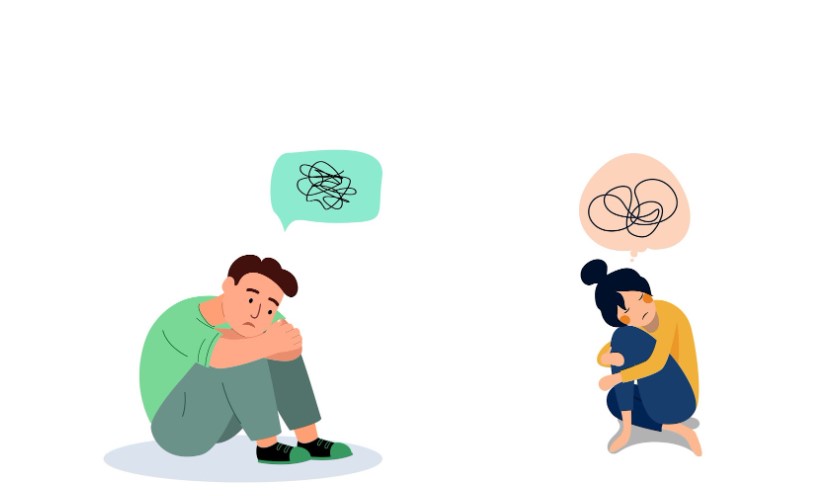
Counseling helps people with depression by improving their communication. Depression often makes it hard to share feelings. Talking with a counselor teaches ways to express thoughts clearly and calmly.
Better communication can build stronger relationships. When people talk openly, others understand them more. This support helps reduce feelings of loneliness and sadness.
What Counseling Teaches About Communication
- Active listening: Paying full attention to the other person.
- Expressing feelings: Saying what you feel without blame.
- Using “I” statements: Talking about your feelings, not others’ actions.
- Managing conflicts: Handling disagreements calmly and respectfully.
How Improved Communication Reduces Depression
Sharing feelings helps release built-up stress. Talking to someone who listens can lighten heavy emotions.
Good communication creates support networks. Friends and family become closer and more helpful.
Understanding yourself better. Talking helps find the root of sadness and confusion.
Tips From Counselors To Practice At Home
- Take deep breaths before speaking. It helps calm the mind.
- Use simple words to explain feelings. Clear words reduce misunderstandings.
- Listen without interrupting. It shows respect and helps you learn.
- Ask questions if unsure. It shows interest and helps understanding.
Addressing Root Causes
Counseling helps people understand why they feel sad or empty. It looks at their feelings, thoughts, and past experiences. Talking with a counselor helps find the real problems behind depression.
Finding The Source Of Depression
Counselors ask questions to learn about a person’s life. This can include:
- Family issues
- Stress at work or school
- Past trauma or loss
- Negative thinking patterns
Understanding these helps create a clear picture of what causes sadness.
Changing Negative Thoughts
People with depression often have sad or harmful thoughts. Counseling teaches ways to notice and change these thoughts.
This helps the mind feel more hopeful and calm. It also helps avoid feeling stuck in bad thinking loops.
Building Healthy Habits
Counselors guide people to build better daily habits. These include:
- Regular sleep patterns
- Eating healthy meals
- Doing simple exercises
- Practicing relaxation techniques
Good habits support mood improvement and energy.
Learning To Handle Stress
Stress can make depression worse. Counseling teaches skills to manage stress better.
These skills help people feel stronger and less overwhelmed by life’s challenges.
Long-term Benefits Of Counseling
Depression can feel heavy and hard to manage alone. Counseling offers a safe space to talk and explore feelings. Over time, it helps people understand their thoughts and change negative patterns. This support builds strength to face daily challenges and improves overall life quality.
Improved Emotional Understanding
Counseling helps people learn to recognize their emotions clearly. This makes it easier to handle stress and sadness. When emotions are understood, reactions become calmer and more balanced. This skill stays long after sessions end.
Better Coping Skills
Many people gain new ways to manage difficult moments. These skills include breathing exercises, positive thinking, and problem-solving. Using these tools reduces feelings of overwhelm. Over time, handling tough situations feels easier and less scary.
Stronger Relationships
Depression often affects how people connect with others. Counseling teaches communication skills and builds trust. This helps improve friendships and family ties. Strong relationships give needed support and lower feelings of loneliness.
Increased Self-esteem
Feeling better about oneself is a key result of counseling. People learn to value their strengths and forgive mistakes. This leads to more confidence and hope. A positive self-view helps keep depression from returning.
Long-term Mental Health Benefits
Benefit | Description |
Reduced Symptoms | Less sadness, anxiety, and negative thoughts over time |
Prevention of Relapse | Skills learned help avoid future depression episodes |
Improved Life Skills | Better handling of daily stress and challenges |
Greater Emotional Resilience | Ability to bounce back from setbacks quickly |
Frequently Asked Questions
How Does Counseling Reduce Depression Symptoms?
Counseling helps by talking through feelings and thoughts. It teaches ways to manage stress and negative emotions. This support often leads to better mood and energy.
Can Counseling Improve Daily Life With Depression?
Yes, counseling gives tools to handle daily problems. It helps build healthy habits and positive thinking. Many people find it easier to work and socialize afterward.
How Long Does Counseling Take To Help Depression?
The time varies for each person. Some feel better in a few weeks, others take months. Regular sessions and effort speed up progress.
Conclusion
Counseling helps people understand and manage their depression better. It offers a safe space to share feelings without fear. Talking with a counselor can reduce stress and bring new hope. It teaches simple ways to handle tough thoughts and emotions.
Feeling supported can make a big difference every day. Small steps in counseling can lead to brighter moments ahead. Everyone deserves help, and counseling can be that help. Taking time for counseling is a strong choice for health. Depression is hard, but help is available and real.
