
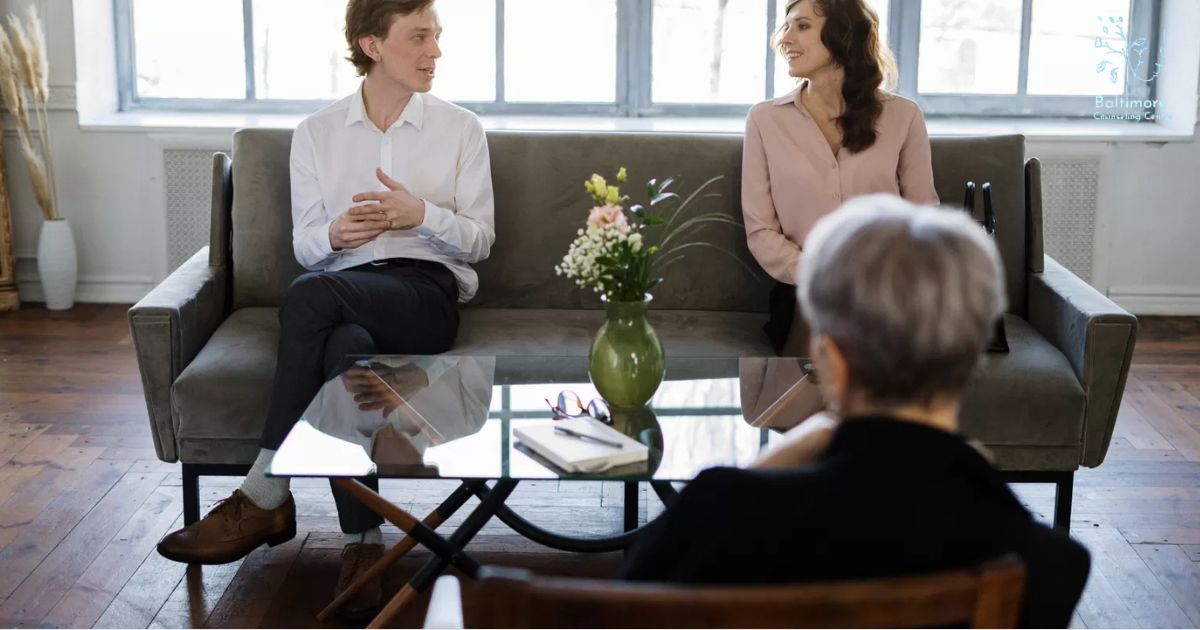
Are you wondering what really happens in couples counselling? You might feel unsure or even a little nervous about what to expect.
The good news is, couples counselling is designed to help you and your partner understand each other better and work through problems together. This isn’t about blaming or arguing—it’s about finding a way forward that feels right for both of you.
Keep reading to discover how couples counselling works, what you’ll experience, and how it can make a difference in your relationship. You might just find the answers you’ve been looking for.
Initial Assessment
The initial assessment is the first step in couples counselling. It helps the therapist understand the couple’s situation and goals. This session sets the foundation for future work together. Both partners share their views and feelings openly. The therapist listens carefully and asks questions to learn about their relationship.
What To Expect During The Initial Assessment
The first session usually lasts between 60 and 90 minutes. Both partners attend together. The therapist creates a safe space for honest conversation. They ask about the history of the relationship, current challenges, and hopes for counselling. This helps identify key issues to address.
- Discussion of relationship history
- Exploration of current problems
- Identification of goals for therapy
- Explanation of counselling process
Questions Asked In The Initial Assessment
The therapist uses clear, simple questions. This encourages both partners to share their thoughts. Some common questions include:
- How did you meet and how long have you been together?
- What do you like about your relationship?
- What challenges are you facing now?
- What changes would you like to see?
- Have you tried counselling before?
Importance Of Honesty And Openness
Being honest helps the therapist get a true picture of the relationship. Both partners should speak openly about their feelings and concerns. This creates trust and helps the therapist guide the sessions better. The initial assessment is a judgment-free zone where both voices matter equally.
Setting Goals Together
At the end of the assessment, the couple and therapist set clear goals. Goals give direction and focus to counselling. They can be simple, such as improving communication or rebuilding trust. Clear goals help track progress over time.
Goal Type | Example | Benefit |
Communication | Learn to listen without interrupting | Reduces arguments and misunderstandings |
Trust | Rebuild trust after a conflict | Strengthens relationship foundation |
Conflict Resolution | Manage disagreements calmly | Improves problem-solving skills |
Setting Goals
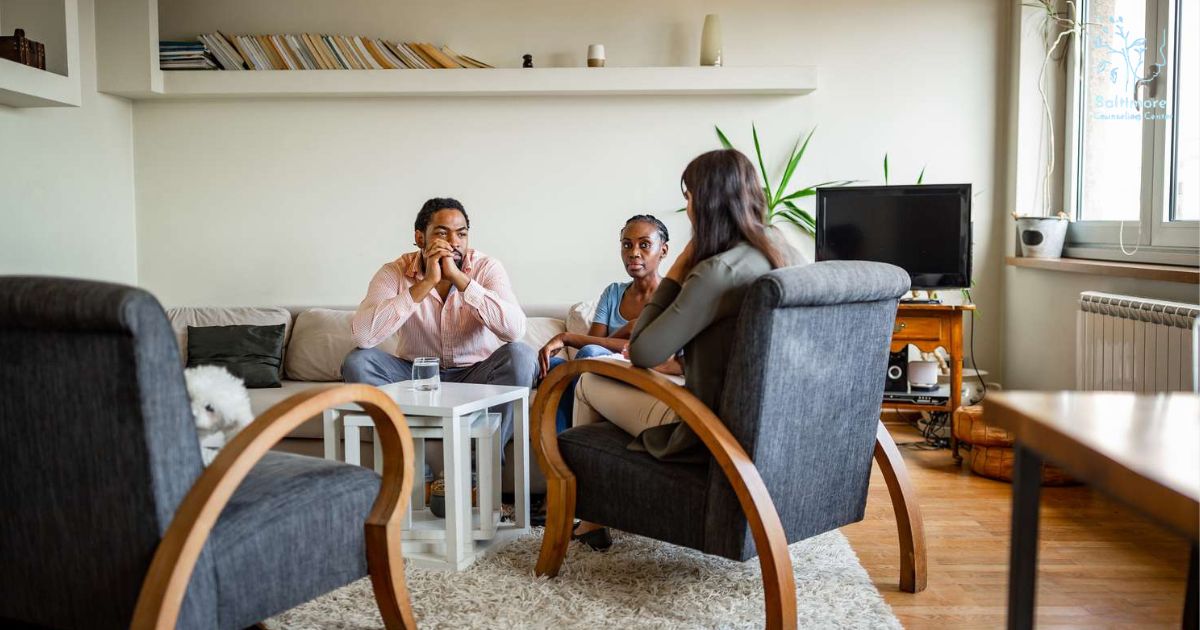
Setting goals is a crucial part of couples counselling. It helps partners understand what they want from therapy. Clear goals guide the sessions and create a path to improve the relationship.
Goals can be simple or complex. They focus on communication, trust, or solving conflicts. Both partners share their views to find common ground. This step builds hope and focus for counselling.
Identifying Individual And Shared Goals
Each partner talks about personal needs and feelings. Then, they find goals they want to achieve together. This mix of individual and shared goals shapes the therapy process.
- Improve listening skills
- Rebuild trust
- Manage anger better
- Increase intimacy
- Resolve specific conflicts
Prioritizing Goals For Effective Sessions
Goals must be realistic and clear. Couples choose which issues to work on first. This makes therapy focused and productive.
- Discuss main problems
- Rank them by importance
- Set small, achievable steps
- Agree on what success looks like
Setting Timeframes And Measuring Progress
Therapists help couples set time limits for goals. This keeps motivation high and tracks changes.
Goal | Timeframe | How to Measure |
Improve communication | 4 weeks | Number of calm talks per week |
Reduce arguments | 6 weeks | Tracking frequency of fights |
Increase trust | 8 weeks | Sharing feelings openly |
Communication Techniques
In couples counselling, communication techniques play a key role in healing and growth. Couples often face problems because they do not express their feelings clearly. The counsellor teaches ways to talk and listen better. These techniques help couples understand each other and solve conflicts calmly.
Active Listening
Active listening means fully focusing on your partner when they speak. It helps to avoid misunderstandings. Couples learn to:
- Make eye contact
- Do not interrupt
- Show they are listening with nods or short words
- Repeat or summarize what the partner said
Active listening builds trust and shows respect for each other’s feelings.
I-statements
I-statements help express feelings without blaming the partner. They follow this simple format:
For example:
I feel sad when you do not call because I worry about you.
This way, partners speak about their feelings clearly and calmly.
Time-outs
Sometimes, emotions run high. Time-outs help couples take a break from arguments. During a time-out, each person:
- Stops the conversation
- Takes deep breaths
- Goes to a quiet place
- Calms down before continuing
Time-outs prevent hurtful words and give space to think.
Non-verbal Communication
Words are not the only way to communicate. Body language matters a lot. Couples learn to notice:
Non-Verbal Signal | Meaning |
Eye Contact | Shows attention and interest |
Crossed Arms | May show defensiveness or discomfort |
Touching | Expresses care and support |
Facial Expressions | Reveal true feelings |
Understanding these signals helps couples connect better.

Identifying Patterns
In couples counselling, identifying patterns plays a key role. These patterns are repeated ways partners act or react to each other. They often cause misunderstandings or conflicts. Recognizing these patterns helps couples see how their behavior affects the relationship. This step leads to better communication and stronger bonds.
What Are Relationship Patterns?
Relationship patterns are habits or cycles couples fall into. They can be positive or negative. Negative patterns might include:
- Constant arguing over small issues
- Ignoring each other’s feelings
- Blaming instead of listening
Positive patterns could be supportive talks or shared problem-solving. Counsellors help couples spot these patterns clearly.
How Counsellors Identify Patterns
Counsellors listen carefully to both partners. They watch how each person talks and reacts. Sometimes, they ask questions like:
- What happens before an argument starts?
- How do you feel during conflicts?
- What do you usually say or do next?
This helps reveal cycles that repeat over time. Counsellors may also notice body language or tone that shows hidden feelings.
Why Identifying Patterns Matters
Knowing patterns lets couples understand their roles in conflicts. It opens doors to change. Couples can:
- Break harmful cycles
- Create new, positive habits
- Improve empathy and patience
Without this step, problems often stay the same. Identifying patterns is the first move toward healing.
Conflict Resolution
Conflict resolution is a key part of couples counselling. It helps couples solve problems and understand each other better. Many couples face disagreements. These conflicts can cause stress and hurt feelings. Counselling teaches ways to handle these conflicts calmly and fairly. Couples learn to talk about their feelings without blaming. They find ways to work together and make decisions as a team.
Identifying The Root Cause Of Conflict
Counsellors help couples find what really causes their fights. It might be money, trust, or communication problems. Sometimes, small issues hide bigger feelings. Couples learn to see beyond the surface. Understanding the root cause stops the same arguments from repeating.
Learning Healthy Communication Skills
- Active listening: Paying full attention to your partner’s words.
- Using “I” statements: Expressing feelings without blaming, like “I feel hurt.”
- Staying calm: Speaking softly even during disagreements.
These skills help couples talk without fighting. They build respect and trust.
Developing Problem-solving Techniques
Couples learn steps to solve problems together:
- Define the problem clearly.
- Share each person’s view.
- Brainstorm possible solutions.
- Choose the best solution together.
- Agree on actions and follow up.
This method helps couples feel like a team, not opponents.
Managing Emotions During Conflicts
Emotion | How Counselling Helps |
Anger | Teaches calming techniques like deep breathing. |
Sadness | Encourages sharing feelings openly. |
Frustration | Guides finding solutions instead of blaming. |
Couples gain control over emotions that can harm their relationship.
Emotional Exploration
Couples counselling helps partners understand their feelings better. Emotional exploration is a key part of this process. It allows couples to share feelings openly in a safe space. This sharing helps uncover hidden emotions that affect their relationship. Understanding these emotions can lead to stronger bonds and better communication.
What Is Emotional Exploration?
Emotional exploration means looking deeply into your own and your partner’s feelings. It involves talking about emotions like love, anger, sadness, and fear. This helps both partners see how feelings influence their actions and thoughts.
How Therapists Guide Emotional Exploration
- Safe Environment: Therapists create a calm space for honest talks.
- Active Listening: They listen carefully and encourage partners to do the same.
- Ask Open Questions: Questions help reveal deeper feelings and thoughts.
- Reflect Emotions: Therapists help name and understand feelings.
Benefits Of Emotional Exploration In Couples Counselling
Benefit | Explanation |
Better Communication | Partners learn to express feelings clearly and listen well. |
Increased Empathy | Understanding emotions builds kindness and support between partners. |
Conflict Resolution | Identifying feelings helps solve fights calmly and fairly. |
Stronger Connection | Sharing emotions creates deeper trust and closeness. |
Common Emotions Explored In Sessions
- Hurt from past actions or words
- Fear of losing the partner or relationship
- Feelings of loneliness or being misunderstood
- Love and appreciation
- Frustration or anger about recurring problems
Building Trust
Building trust is a key part of couples counselling. Without trust, couples struggle to share feelings honestly. Trust helps partners feel safe, understood, and supported. Counselling offers a space to rebuild or strengthen this trust step by step.
What Trust Means In Couples Counselling
Trust involves believing in your partner’s honesty and care. It means feeling secure in the relationship. Couples counselling explores what trust looks like for each person. Therapists guide couples to understand trust beyond just words.
How Therapists Help Build Trust
- Creating a safe space: Therapists encourage open and non-judgmental communication.
- Encouraging honesty: Partners learn to express true feelings calmly.
- Setting boundaries: Couples agree on healthy limits that protect trust.
- Teaching active listening: Each partner practices fully hearing the other.
Practical Steps To Rebuild Trust
- Admit past mistakes honestly.
- Apologize and forgive sincerely.
- Keep promises and follow through.
- Share feelings regularly and clearly.
- Support each other’s needs consistently.
Signs Trust Is Growing
Sign | What It Means |
Open Communication | Partners talk freely without fear. |
Reduced Jealousy | Less suspicion and more confidence. |
Increased Support | More willingness to help each other. |
Consistent Actions | Promises are kept and respected. |
Long-term Strategies
Couples counselling helps partners understand each other better and solve problems. Long-term strategies are key to keeping relationships healthy after sessions end. These plans guide couples to build trust, improve communication, and manage conflicts over time.
Communication Skills For The Future
Learning how to talk openly and listen well is a core part of couples counselling. Therapists teach simple ways to share feelings without blame or anger. Couples practice these skills to handle tough talks calmly later on.
- Use “I” statements to express feelings
- Listen without interrupting
- Ask questions to understand better
- Stay calm, even during disagreements
Building Emotional Connection
Strong emotional bonds keep couples close. Counselling helps partners find ways to connect daily. Small acts of kindness and spending quality time are encouraged.
- Schedule regular date nights
- Share daily highlights and challenges
- Show appreciation often
- Offer support during stressful times
Conflict Resolution Techniques
Arguments happen in every relationship. Couples learn how to solve fights without hurting each other. Therapists show ways to cool down and find solutions together.
Step | Technique | Purpose |
1 | Pause and breathe | Calm emotions before discussing |
2 | Identify the real issue | Focus on the problem, not the person |
3 | Find common ground | Agree on a solution both accept |
4 | Follow up later | Check if solution works over time |
Frequently Asked Questions
What Do Couples Talk About In Counselling Sessions?
Couples discuss their feelings, problems, and goals in counselling. The therapist helps them understand each other better. Communication and trust are common topics.
How Long Does A Typical Couples Counselling Last?
Most couples counselling sessions last between 45 to 60 minutes. The number of sessions depends on the couple’s needs. Some couples attend a few sessions, others more.
Can Couples Counselling Improve Relationship Communication?
Yes, counselling teaches couples how to listen and speak clearly. It helps reduce misunderstandings and build respect. Better communication often leads to a stronger relationship.
Conclusion
Couples counselling helps partners talk and understand each other better. It creates a safe space to share feelings and solve problems. You learn new ways to listen and support each other. Trust and respect often grow through honest conversations. The process takes time but brings hope for a stronger relationship.
Many couples find peace and clearer communication after sessions. It’s a step toward healing and building a happier future together. Small changes can lead to big improvements in love and connection.
