

If anxiety is taking over your daily life, you’re not alone—and there are ways to find relief. Getting the right medication can make a big difference, but knowing how to start can feel confusing or overwhelming.
You might wonder where to turn, what questions to ask, or how to make sure the medicine fits your needs. This guide will walk you through the simple steps to get prescribed medication for anxiety, so you can take control and feel better sooner.
Keep reading, because the support you need is closer than you think.
Recognizing Anxiety Symptoms
Anxiety is a common condition that affects many people. It can cause feelings of worry, fear, or nervousness. These feelings can happen often and make daily life hard. Knowing the signs of anxiety helps you get the right help. Early action can improve your health and comfort.
Common Physical Symptoms
Physical signs often show when anxiety is present. These signs include:
- Rapid heartbeat or chest tightness
- Shortness of breath or feeling dizzy
- Muscle tension or headaches
- Feeling tired or restless
- Stomach problems like nausea or upset
These symptoms may happen frequently or suddenly. They can interfere with daily tasks.
Emotional And Mental Signs
Emotions and thoughts also change with anxiety. Common signs include:
- Feeling worried or fearful without clear reason
- Difficulty concentrating or thinking clearly
- Feeling tense, nervous, or on edge
- Being easily tired or irritable
- Having trouble sleeping or relaxing
These feelings may last for weeks or months. They can affect mood and actions.
Behavioral Changes To Watch For
Behavior can change when anxiety grows. Signs include:
- Avoiding places or activities
- Needing reassurance from others often
- Restlessness or pacing
- Changes in eating or sleeping habits
- Using alcohol or drugs to feel better
These behaviors may harm daily routines and relationships. They show anxiety is affecting life strongly.

When To Seek Medical Help
Anxiety can affect daily life in many ways. Feeling worried or nervous sometimes is normal. But intense anxiety may need attention. Talking to a doctor helps find the right treatment.
Doctors can check if medication might help. They also suggest other ways to manage anxiety better.
Signs You Should Talk To A Doctor
Strong feelings of fear or worry that last a long time can be a sign. When anxiety stops you from doing usual tasks, it is time to get help.
Other signs include:
- Trouble sleeping because of worry
- Feeling restless or tense most of the time
- Difficulty concentrating due to anxious thoughts
- Physical symptoms like a fast heartbeat or stomach pain
- Avoiding social situations because of anxiety
What Happens During A Medical Visit
The doctor will ask about your symptoms. They want to understand how anxiety affects your life. You will talk about your health history, too.
The doctor may do a physical exam to rule out other causes. Sometimes, blood tests are done. This helps find the best treatment plan.
How Doctors Decide On Medication
Medication is not the first step for everyone. Doctors often try therapy or lifestyle changes first. If anxiety stays strong, medicine might be needed.
Doctors consider:
- Type and severity of anxiety
- Other health conditions you may have
- Possible side effects of medicine
- Your preferences and concerns
Medication Type | How It Works | Common Side Effects |
Selective Serotonin Reuptake Inhibitors (SSRIs) | Increase serotonin to improve mood | Nausea, headache, sleep changes |
Serotonin-Norepinephrine Reuptake Inhibitors (SNRIs) | Boost serotonin and norepinephrine levels | Dizziness, dry mouth, sweating |
Benzodiazepines | Calm the brain quickly | Drowsiness, memory issues, dependency risk |
Buspirone | Reduces anxiety without sedation | Lightheadedness, headache, nervousness |
Important Tips Before Taking Medication
- Follow your doctor’s instructions carefully.
- Do not stop medicine suddenly without talking to your doctor.
- Keep a list of side effects and share it during visits.
- Tell your doctor about other medicines you take.
Attend all follow-up appointments to track progress.
Choosing The Right Healthcare Provider
Finding the right doctor is very important to get proper medication for anxiety. A good healthcare provider listens carefully and understands your needs. They help choose the best medicine and support your health journey. Picking someone you trust makes the process easier and safer.
Types Of Healthcare Providers
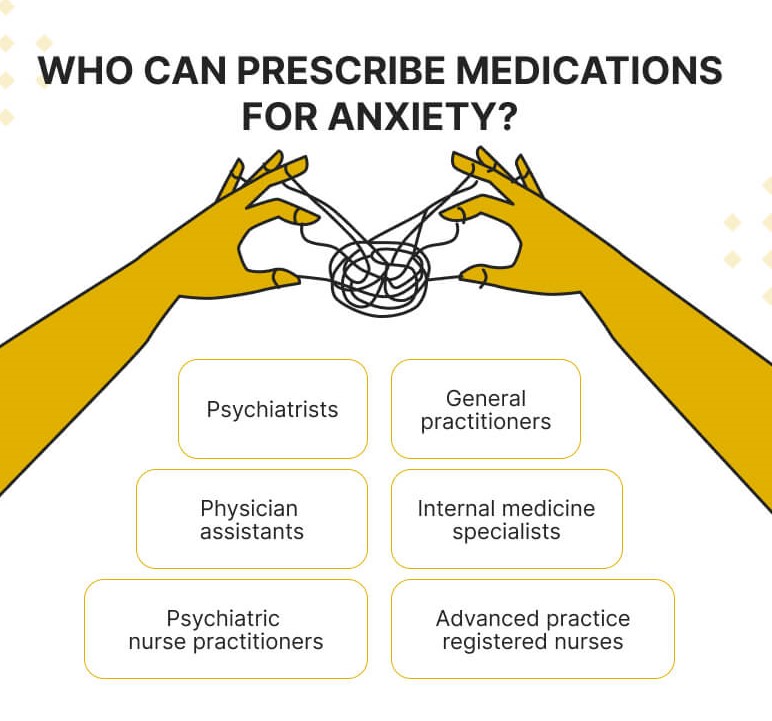
Different providers can prescribe anxiety medication. Here are the main types:
- Primary Care Doctors: General doctors who can give initial prescriptions.
- Psychiatrists: Specialists in mental health and medication management.
- Psychologists with Prescriptive Authority: Only in some states; can prescribe medicine.
- Nurse Practitioners and Physician Assistants: Often work with doctors and can prescribe medication.
What To Look For In A Provider
Choose a provider with experience in anxiety treatment. They should explain medicine clearly and answer your questions. A good provider checks your history before prescribing. Trust and comfort matter for honest talks about your feelings.
How To Prepare For Your Appointment
Write down your symptoms and concerns before visiting. Include when anxiety started and how it affects daily life. List any current medicines or allergies. Bring a family member or friend if it helps you feel calm. Being ready helps your provider understand your needs better.
Questions To Ask Your Provider
- What medicine do you recommend and why?
- What are the possible side effects?
- How long until I see improvement?
- Are there other treatments to try?
- How will we track progress?
Preparing For Your Appointment
Getting medication for anxiety starts with a good plan. Preparing well helps your doctor understand your needs. It also makes the appointment easier and faster. Knowing what to say and what to bring is very important. This guide helps you get ready for your visit.
Write Down Your Symptoms
List all feelings and problems you have. Note when they started and how often they happen. Include details about sleep, mood, and worries. This helps the doctor see the full picture.
Make A List Of Your Current Medications
Include all medicines, vitamins, and supplements. Write down how much and when you take them. This information helps avoid bad reactions with new medicine.
Prepare Questions For Your Doctor
Think about what you want to know. Ask about medicine effects, how long to take it, and side effects. Writing questions down helps you remember them during the visit.
Bring Important Documents
Take your ID, insurance card, and any medical records. These papers make the visit smoother. They help the doctor check your health history quickly.
Be Ready To Talk Openly
Share your feelings honestly. Tell the doctor about your anxiety and how it affects life. Clear communication helps find the right treatment fast.
What To Expect During Evaluation
Getting medication for anxiety starts with a careful evaluation. This step helps doctors understand your feelings and symptoms. They want to know how anxiety affects your life. The evaluation also looks at your health history and any other treatments you tried. This process helps find the right medicine for you.
Talking About Your Symptoms
You will describe your feelings and worries to the doctor. They ask about how often anxiety happens and its strength. Sharing your daily struggles helps the doctor see how anxiety limits you. Be honest and clear about what you feel. This helps find the best treatment plan.
Medical History Review
The doctor checks your past health problems. They want to know about any illnesses or allergies. This review shows if some medicines may not be safe for you. Sharing all health details helps avoid problems with new medicine.
Mental Health Assessment
A mental health test may be part of your visit. This can include simple questions or forms. It helps measure anxiety levels and other feelings. The doctor uses this to decide if medication is needed. This step also checks for other possible issues like depression.
Discussing Treatment Options
After the evaluation, the doctor talks about ways to treat anxiety. Medicine might be one option. They explain how the medicine works and possible side effects. You can ask questions to understand better. The goal is to find a safe and helpful plan for you.
Next Steps After Evaluation
- Follow-up appointments: Regular visits to check progress.
- Tracking symptoms: Keep notes on how you feel each day.
- Adjusting medicine: Changes may happen to find the right dose.
- Additional support: Therapy or counseling may be suggested.
Types Of Medications Available
Many people feel worried or nervous often. This can make daily life hard. Medicines can help reduce these feelings. Doctors can prescribe different types of medicines for anxiety. Knowing about these medicines helps you talk with your doctor.
There are several types of anxiety medicines. Each type works in a different way. Some help quickly, while others take time.
Selective Serotonin Reuptake Inhibitors (ssris)
SSRIs are common medicines for anxiety. They help increase serotonin in the brain. Serotonin is a chemical that affects mood. These medicines can take a few weeks to work.
- Examples: Fluoxetine, Sertraline, Escitalopram
- Use: Long-term anxiety relief
- Side Effects: Nausea, headaches, sleep trouble
Benzodiazepines
Benzodiazepines work fast to calm anxiety. They help relax muscles and reduce fear. Doctors often prescribe them for short use only.
- Examples: Diazepam, Lorazepam, Alprazolam
- Use: Short-term anxiety relief
- Side Effects: Drowsiness, dizziness, memory problems
Serotonin-norepinephrine Reuptake Inhibitors (snris)
SNRIs help by increasing two brain chemicals. These chemicals improve mood and reduce anxiety. Like SSRIs, they may take weeks to work.
- Examples: Venlafaxine, Duloxetine
- Use: Long-term anxiety treatment
- Side Effects: Dry mouth, tiredness, sweating
Buspirone
Buspirone is another option for anxiety. It works differently and has fewer side effects. It is not for sudden anxiety attacks.
- Use: General anxiety over time
- Side Effects: Dizziness, headache, nausea
Beta-blockers
Beta-blockers reduce physical symptoms of anxiety. They help with fast heartbeat and shaking. They do not treat worry but help the body feel calm.
- Examples: Propranolol, Atenolol
- Use: Situational anxiety, like public speaking
- Side Effects: Fatigue, cold hands, slow heartbeat
Understanding the Prescription Process
Getting medication for anxiety starts with a clear process. It helps to know the steps before seeing a doctor. Anxiety is common, and many people need help. Medication can reduce symptoms and improve daily life. Knowing how to get a prescription makes the process easier and less stressful.
Talk To A Healthcare Provider
The first step is to speak with a healthcare provider. This can be a family doctor, nurse, or mental health specialist. They will ask about your symptoms and medical history. Be honest and clear about how anxiety affects you. This helps the provider make the right decision.
Medical Evaluation And Diagnosis
The doctor will check your mental and physical health. They may ask questions about your mood, thoughts, and daily activities. Sometimes, they use special forms or tests to understand anxiety better. A proper diagnosis is important to choose the right medicine.
Discussing Treatment Options
After diagnosis, the provider talks about treatment choices. Medication is one option, but therapy or lifestyle changes may also help. Ask questions about benefits and possible side effects. You have the right to know how the medicine might affect you.
Getting The Prescription
If medication is the best choice, the doctor writes a prescription. This paper or digital note allows you to get medicine from a pharmacy. Follow the instructions carefully for dosage and timing. Do not change or stop medicine without advice from your doctor.
Follow-up Care
Regular check-ups are important after starting medication. The doctor will see how well the medicine works and check for side effects. Tell the doctor about any changes in symptoms or problems. This helps keep your treatment safe and effective.
Managing Medication And Follow-up
Getting medication for anxiety is a careful process. It needs time, trust, and good communication with your doctor. Medicine can help calm your mind, but it must be taken the right way. This guide explains how to manage your medicine and keep track of your health after you start treatment.
Follow Your Doctor’s Instructions
Always take medicine exactly as your doctor says. Do not skip doses or stop without asking your doctor. Medicine works best when taken regularly. If you feel side effects, tell your doctor right away. They can adjust your dose or change your medicine if needed.
Keep Track Of Your Symptoms
Write down how you feel every day. Note any changes in mood, sleep, or energy. This helps your doctor see if the medicine is working. Also, track any side effects. Sharing this information at your visits is very important.
Schedule Regular Follow-up Visits
See your doctor often. Follow-up appointments help check your progress. Your doctor may change your medicine or dose based on how you feel. These visits keep your treatment safe and effective.
Ask Questions And Share Concerns
Talk openly with your doctor. Ask about the medicine’s effects and any worries. Good communication helps find the best treatment. Remember, your doctor is there to support you.
Store And Handle Medication Properly
- Keep medicine in a cool, dry place.
- Do not share your medicine with others.
- Check expiration dates regularly.
- Follow pharmacy instructions for storage.
Frequently Asked Questions
How Do I Get Prescribed Medication For Anxiety?
Start by seeing a doctor or mental health professional. They assess your symptoms and decide if medication is needed. A proper diagnosis is important before any prescription.
What Types Of Medications Are Prescribed For Anxiety?
Common options include SSRIs, benzodiazepines, and beta-blockers. Each works differently to reduce anxiety symptoms. Doctors choose based on your health and anxiety type.
Can I Get Anxiety Medication Without A Prescription?
No, anxiety medications require a prescription from a licensed doctor. Taking medication without guidance can be unsafe. Always consult a healthcare provider first.
How Long Does It Take For Anxiety Medication To Work?
Some medications may take a few weeks to show effects. Others, like benzodiazepines, can work within hours. Follow your doctor’s instructions and be patient.
Conclusion
Getting prescribed medication for anxiety starts with honest talks with your doctor. Share your symptoms clearly and answer questions truthfully. Doctors can suggest the best treatment based on your needs. Always follow their advice and ask about side effects. Remember, medication is just one part of managing anxiety.
Combine it with healthy habits and support from friends or counselors. Taking small steps each day helps build a calmer mind. You have control over your health. Keep trying, and don’t give up. Relief is possible.
