
If you or someone you care about has experienced trauma, finding the right way to heal can feel overwhelming. You might wonder what steps actually work and how to make sure the treatment truly helps you move forward.
Knowing the best practices for trauma treatment can guide you toward real recovery and peace of mind. You’ll discover clear, effective approaches that can support your healing journey and empower you to regain control of your life. Keep reading to learn how to find the care that meets your needs and helps you feel stronger every day.

Trauma-Informed Care Principles
Trauma treatment helps people heal from difficult experiences. It focuses on safety and trust. Understanding trauma’s impact is very important. Care must respect feelings and personal stories. The goal is to support recovery and build strength.
Safety
Creating a safe space is key for trauma treatment. People must feel protected physically and emotionally. Safety helps lower stress and anxiety. It allows healing to start.
Trustworthiness And Transparency
Clear communication builds trust. It is important to explain every step. Being honest helps people feel secure. Trust grows when actions match words.
Peer Support
Support from others with similar experiences brings comfort. Peer groups offer understanding and reduce feelings of isolation. Sharing stories can encourage hope and healing.
Collaboration And Mutuality
Care should be a partnership. Everyone’s input matters. Working together respects each person’s knowledge and strengths. This helps create better treatment plans.
Empowerment, Voice, And Choice
People must feel in control of their healing. Giving choices and listening to needs supports empowerment. This builds confidence and helps people move forward.
Cultural, Historical, And Gender Issues
Respecting culture and background is important. Treatment should be sensitive to history and gender differences. This creates respectful and effective care.
Building Safety And Trust
Trauma treatment needs a safe and trusting space. This helps people feel calm and open. Without safety, healing is hard. Trust makes it easier to share feelings and thoughts. Therapists work hard to create this environment. It is the first step for good therapy.
Creating A Safe Environment
A safe place feels calm and welcoming. Soft lighting and quiet rooms help. Privacy is very important. No interruptions or loud noises. The room should feel warm, not cold. Comfort helps people relax and stay present.
Building Trust Between Therapist And Client
Trust grows with honesty and respect. Therapists listen without judging. They keep information private. They explain the therapy process clearly. Clients feel safe to share their stories. Trust takes time but is very important.
Setting Clear Boundaries
Clear rules help everyone feel secure. Boundaries show what is okay and what is not. They protect feelings and space. Therapists explain these rules at the start. This helps avoid confusion or discomfort later.
Using Consistent Communication
Regular and clear talk builds trust. Therapists check in often with clients. They answer questions simply and kindly. Clients know what to expect next. This steadiness helps them feel safe and supported.
Early Assessment And Screening
Trauma treatment needs careful and early attention. Understanding trauma and its effects helps in healing. Early steps can reduce long-term problems. Treatment works better when trauma is identified quickly. This guide focuses on early assessment and screening, a key part of trauma care.
Assessing trauma early is very important. It helps doctors and therapists know what kind of help a person needs. Screening tools can find signs of trauma in people who may not speak about it.
Early assessment allows for quick action. This can prevent trauma from becoming worse. It also helps to plan the right treatment for each person.
Common Methods For Trauma Screening
- Questionnaires: Simple forms with questions about feelings and experiences.
- Interviews: Talking with a trained person to learn more about trauma history.
- Observation: Watching behavior for signs like fear or sadness.
Key Signs To Look For
Emotional Signs | Physical Signs | Behavioral Signs |
Feeling sad or angry | Headaches or stomach aches | Withdrawing from others |
Fear or anxiety | Sleep problems | Changes in eating habits |
Feeling numb or empty | Fatigue | Outbursts or aggression |
Benefits Of Early Screening
Early screening helps catch trauma early. It reduces the risk of long-lasting problems. Treatment can start sooner, making recovery easier.
Early steps also support families and caregivers. They learn how to help and understand trauma better.
Evidence-based Therapy Approaches
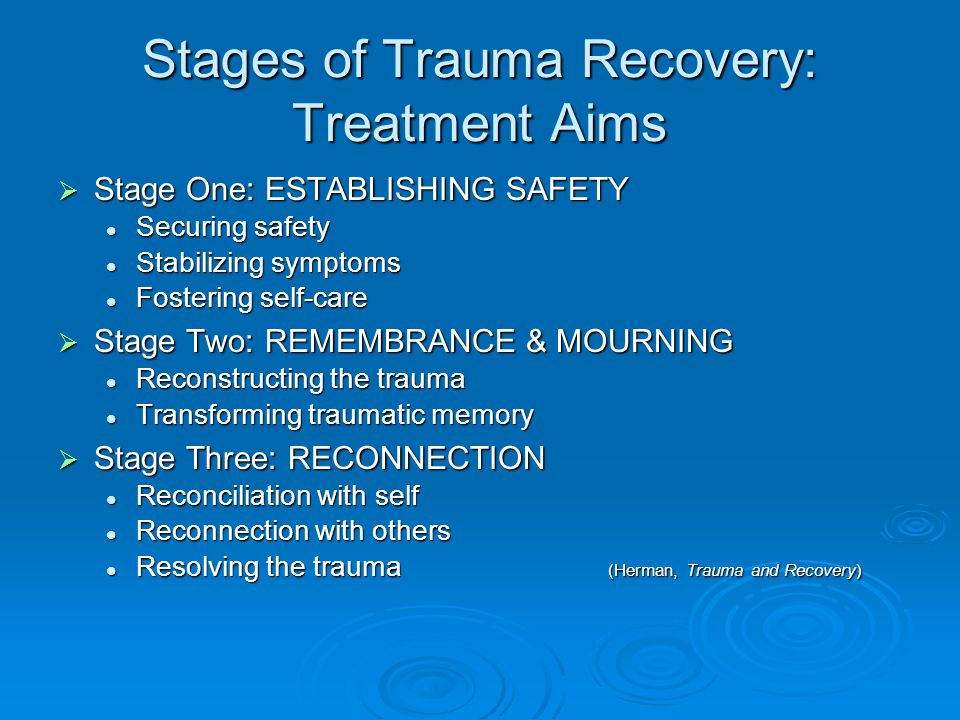
Trauma treatment helps people heal after painful experiences. It uses proven methods to reduce stress and improve mental health. Evidence-based therapy approaches are tested and show good results. These therapies help people understand their feelings and find ways to cope. Choosing the right therapy can make a big difference in recovery.
Cognitive Behavioral Therapy
Cognitive Behavioral Therapy (CBT) is a common and effective trauma treatment. It helps people change negative thoughts and behaviors. CBT focuses on the present and teaches skills to manage feelings. This therapy often includes homework to practice new skills outside sessions.
Key features of CBT for trauma:
- Identifying harmful thoughts: Recognize and change unhelpful thinking patterns.
- Behavior changes: Learn new ways to act in stressful situations.
- Skill building: Techniques to calm anxiety and improve mood.
- Short-term and structured: Usually 8-20 sessions with clear goals.
CBT works well for many trauma survivors because it is clear and practical. It helps people take control of their recovery step-by-step.
Eye Movement Desensitization And Reprocessing
Eye Movement Desensitization and Reprocessing (EMDR) is a therapy designed to reduce trauma’s emotional impact. It uses guided eye movements while recalling traumatic memories. This process helps the brain reprocess memories in a less upsetting way.
Main aspects of EMDR include:
- Memory processing: Focus on specific trauma memories during therapy.
- Bilateral stimulation: Eye movements or taps to help brain healing.
- Eight phases: Structured steps from history to treatment completion.
- Safe and effective: Many people feel less distress after sessions.
EMDR can work faster than some other therapies. It helps the brain heal without needing to talk about trauma in detail all the time.
Somatic Experiencing
Somatic Experiencing (SE) focuses on the body’s response to trauma. Trauma often causes tension and stuck energy in the body. SE helps release this energy through gentle awareness and movement.
Important points about Somatic Experiencing:
- Body-focused: Pay attention to physical sensations.
- Release tension: Use small movements to reduce stress.
- Work with nervous system: Help it return to calm.
- Nonverbal approach: Healing happens without detailed talking.
SE is useful for people who feel trapped by physical symptoms. It supports healing by calming the body and mind together.
Personalized Treatment Planning
Trauma treatment works best when it fits the person. Each person’s experience with trauma is different. Personal plans help meet unique needs. This approach supports better healing and growth.
Understanding The Individual’s Needs
Every person’s trauma story is unique. Listening carefully helps identify key issues. Understanding feelings, thoughts, and reactions is important. Tailoring treatment to these needs improves results.
Setting Clear And Realistic Goals
Goals guide the treatment process. They should be clear and easy to understand. Setting small, achievable steps helps keep progress steady. Goals may change as healing happens.
Choosing The Right Therapies
Different therapies work for different people. Some may benefit from talk therapy, others from art or movement. Combining several types can be helpful. The plan should match the person’s comfort and needs.
Involving Support Systems
Support from family and friends helps healing. Encouraging loved ones to be part of treatment can boost success. Group therapy or community support may also be useful. Strong support builds safety and trust.
Monitoring Progress And Adjusting Plans
Checking progress regularly is important. Some methods may need change over time. Adjusting the plan keeps treatment effective and relevant. Open communication between therapist and person helps.
Incorporating Family And Support Systems
Trauma treatment works best when the person’s family and support group are involved. Healing is not just about the individual. It often needs a network of caring people. Family and friends can give comfort, trust, and safety. This makes the treatment stronger and longer lasting.
The Role Of Family In Trauma Recovery
Family members can help by learning about trauma and its effects. Understanding helps them support the person better. They also offer emotional support and encourage treatment. Sometimes, family therapy sessions can improve communication and trust. This creates a safe space for healing.
Building A Support System
A strong support system includes friends, counselors, and community groups. These people provide different types of help. Emotional support helps the person feel less alone. Practical support can mean helping with daily tasks. Social support helps rebuild trust and connection with others.
Tips For Involving Family And Support Networks
- Educate family members about trauma and its impact.
- Encourage open and honest communication between the person and their support.
- Use family therapy to solve conflicts and strengthen bonds.
- Respect the person’s privacy and boundaries during treatment.
- Include support people in therapy sessions when appropriate.
- Help support members manage their own stress to stay effective.
Addressing Co-occurring Disorders
Co-occurring disorders happen when a person faces both trauma and other mental health problems. These can include depression, anxiety, or substance abuse. Treating both issues at the same time is very important for better recovery.
Understanding Co-occurring Disorders
Many people with trauma also have other mental health challenges. These problems affect how they feel, think, and act. Ignoring one disorder can make the other worse. Recognizing both is the first step to effective treatment.
Integrated Treatment Approach
Using an integrated approach means treating trauma and other disorders together. This helps doctors create a plan that fits all needs. It often includes:
- Therapy sessions for trauma and mental health
- Medication to manage symptoms
- Support groups for sharing experiences
Common Therapies Used
Therapy Type | Description | Benefits |
Cognitive Behavioral Therapy (CBT) | Helps change negative thoughts and behaviors. | Reduces anxiety and improves mood. |
Eye Movement Desensitization and Reprocessing (EMDR) | Focuses on processing traumatic memories. | Lessens trauma symptoms. |
Used to manage symptoms like depression or anxiety. | Improves daily functioning. |
Importance Of Support Systems
Strong support from family and friends helps people feel safe. Support groups provide a place to talk and learn from others. This reduces feelings of isolation and encourages healing.
Ongoing Monitoring And Aftercare
Trauma treatment is a process that needs care even after therapy ends. Healing does not stop when sessions end. Careful monitoring helps catch new issues early. Aftercare supports long-term recovery and well-being. It keeps people safe and helps them stay strong.
Regular Check-ins
Regular check-ins with a therapist or counselor are vital. These meetings can be short but frequent. They help track progress and feelings. Changes in mood or behavior can show new needs. Check-ins keep the treatment on the right path.
Support Groups
Joining support groups provides shared understanding and encouragement. Talking with others who faced trauma builds connection. It reduces feelings of loneliness. Groups offer a safe place to share experiences and learn from others.
Self-care Practices
Self-care is important for healing after trauma. Simple actions like good sleep, healthy food, and exercise help. Relaxation methods such as deep breathing or meditation reduce stress. Self-care builds strength and helps maintain balance.
Warning Signs To Watch For
Warning Sign | What It Means | Action to Take |
Sudden mood changes | Possible relapse or new stress | Contact therapist or support person |
Withdrawal from others | Feeling isolated or overwhelmed | Seek social support or group |
Difficulty sleeping | Stress or anxiety increase | Practice relaxation and talk to counselor |
Increased substance use | Attempt to cope with pain | Get help from professional immediately |
Building A Safe Environment
A safe home and social setting help healing. Avoiding stressful people and places is key. Creating calm spaces supports peace of mind. Safety helps prevent new trauma and supports growth.
Frequently Asked Questions
What Are The Key Steps In Effective Trauma Treatment?
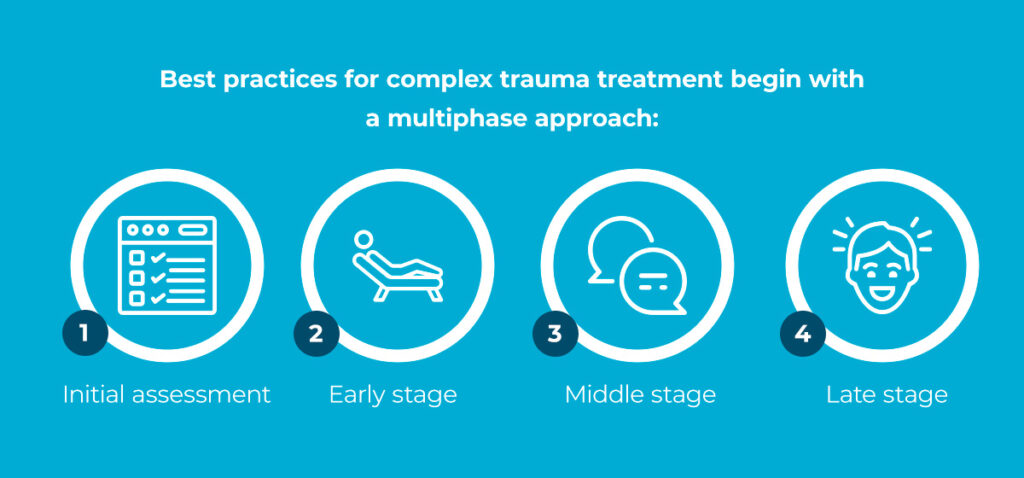
Effective trauma treatment starts with safety and trust-building. Next, it involves processing traumatic memories carefully. Finally, it focuses on healing and skill-building for daily life.
How Does Therapy Help In Trauma Recovery?
Therapy provides a safe space to express feelings. It helps change harmful thoughts linked to trauma. Therapy also teaches coping skills to manage stress better.
Which Therapies Work Best For Trauma Patients?
Common therapies include Cognitive Behavioral Therapy (CBT) and Eye Movement Desensitization and Reprocessing (EMDR). These methods reduce trauma symptoms and improve emotional health. Choice depends on individual needs and trauma type.
Why Is Early Trauma Treatment Important?
Early treatment prevents trauma from worsening over time. It helps avoid long-term mental health issues. Prompt care supports faster healing and better recovery outcomes.
Conclusion
Trauma treatment works best with care and patience. Trust between the person and therapist builds strong healing. Using proven methods helps manage pain and fear. Small steps lead to steady progress over time. Support from friends and family also matters a lot.
Healing is a journey, not a quick fix. Keep hope alive and stay consistent with treatment. Everyone’s path looks different, and that is okay. The right approach brings comfort and new strength. Healing after trauma is possible with the right help.
