

Are you struggling to find relief from OCD, anxiety, or depression? You’re not alone, and the right medication can make a huge difference in your life.
But with so many options out there, it’s hard to know which one works best for you. You’ll discover clear, straightforward answers about the most effective medications for these conditions. By the end, you’ll feel more confident about your choices and ready to take control of your mental health.
Keep reading—your path to feeling better starts here.
Common Medications For Ocd
OCD, anxiety, and depression are common mental health issues. Many people need medicine to help manage their symptoms. Choosing the right medicine can improve mood, reduce anxiety, and lower obsessive thoughts. Doctors often prescribe specific types of drugs that work well for these conditions. Understanding common medications for OCD helps patients and families feel more confident about treatment options.
Selective Serotonin Reuptake Inhibitors (ssris)
SSRIs are the most common medicines used for OCD. They help by increasing serotonin in the brain. Serotonin is a chemical that affects mood and anxiety. These drugs can reduce obsessive thoughts and compulsive behaviors. Many patients start feeling better after a few weeks of taking SSRIs.
Some common SSRIs include:
- Fluoxetine (Prozac)
- Sertraline (Zoloft)
- Paroxetine (Paxil)
- Fluvoxamine (Luvox)
- Citalopram (Celexa)
SSRIs are usually taken once a day. Side effects may happen but often go away after a short time. These include nausea, headache, or trouble sleeping. Doctors adjust doses to find the best balance between benefits and side effects.
Medicine | Common Use | Possible Side Effects |
Fluoxetine | OCD, depression, anxiety | Nausea, insomnia, dry mouth |
Sertraline | OCD, panic attacks, depression | Headache, dizziness, diarrhea |
Paroxetine | OCD, social anxiety | Fatigue, sweating, weight gain |
Tricyclic Antidepressants
Tricyclic antidepressants (TCAs) are older drugs used for OCD and depression. They work by changing brain chemicals like serotonin and norepinephrine. TCAs can be very effective but often cause more side effects than SSRIs.
One common TCA for OCD is clomipramine. It is known to reduce obsessive and compulsive symptoms strongly. Some patients do better on clomipramine when SSRIs do not help enough.
Possible side effects of TCAs include:
- Dry mouth
- Constipation
- Blurred vision
- Weight gain
- Feeling sleepy or tired
TCAs may not be suitable for everyone. Doctors watch patients closely during treatment. The dose is usually started low and increased slowly. This method helps reduce side effects and finds the right dose for each person.
Medicine | Use | Common Side Effects |
Clomipramine | OCD, depression | Dry mouth, dizziness, weight gain |
Amitriptyline | Depression, anxiety | Sleepiness, constipation, blurred vision |
Medications For Anxiety Relief
Finding the right medicine for OCD, anxiety, and depression can be hard. These conditions often happen together and affect daily life. Medicines help by changing brain chemicals to improve mood and reduce worry. Choosing the best medicine depends on many things like symptoms and health history. Understanding different medicine types helps in making good choices. Medications for anxiety relief are important for many people facing these challenges.
Benzodiazepines
Benzodiazepines are a group of medicines often used to treat anxiety quickly. They work by slowing down the brain’s activity, which helps people feel calm. These medicines start working fast, usually within minutes to hours.
Common benzodiazepines include:
- Diazepam (Valium)
- Alprazolam (Xanax)
- Lorazepam (Ativan)
- Clonazepam (Klonopin)
They are useful for short-term anxiety relief but are not for long-term use. This is because they can cause:
- Dependence or addiction
- Memory problems
- Drowsiness and dizziness
- Withdrawal symptoms if stopped suddenly
Doctors usually prescribe benzodiazepines for a few weeks or during severe anxiety episodes. They are not the first choice for ongoing treatment of OCD or depression. Instead, other medicines like antidepressants are preferred for long-term care.
Buspirone
Buspirone is a medicine used to treat general anxiety. It works differently from benzodiazepines and does not cause drowsiness or addiction. It can take up to several weeks to feel its full effect.
Buspirone is good for people who need:
- Long-term anxiety relief
- A medicine without strong sedation
- Low risk of dependence
It is less useful for sudden panic attacks because it acts slowly. Buspirone can also be combined with other medicines to help with anxiety and depression symptoms.
Feature | Benzodiazepines | Buspirone |
Speed of Relief | Fast (minutes to hours) | Slow (weeks) |
Addiction Risk | High | Low |
Use Duration | Short-term | Long-term |
Common Side Effects | Drowsiness, memory issues | Dizziness, nausea |
Effect on Sleep | Often causes sedation | Usually no sedation |
Choosing the right medicine depends on individual needs. Buspirone suits those needing steady anxiety control. Benzodiazepines help during sudden, severe anxiety but must be used carefully.
Antidepressants For Depression
Finding the best medication for OCD, anxiety, and depression can be challenging. These conditions often occur together. Medicines called antidepressants help balance brain chemicals. This balance can reduce symptoms of all three conditions. Antidepressants are the main treatment for depression. They also help with anxiety and OCD. Different types of antidepressants work in different ways. Choosing the right one depends on the person’s symptoms and how their body reacts. Understanding the common types of antidepressants can guide better treatment choices.
Ssris And Snris
SSRIs (Selective Serotonin Reuptake Inhibitors) and SNRIs (Serotonin-Norepinephrine Reuptake Inhibitors) are two common groups of antidepressants. Both help increase important brain chemicals that affect mood and anxiety.
SSRIs mainly increase serotonin levels in the brain. Serotonin helps improve mood and reduce anxiety. Examples of SSRIs include:
- Fluoxetine (Prozac)
- Sertraline (Zoloft)
- Escitalopram (Lexapro)
- Paroxetine (Paxil)
SNRIs increase both serotonin and norepinephrine. Norepinephrine affects energy and alertness. Common SNRIs are:
- Venlafaxine (Effexor)
- Duloxetine (Cymbalta)
Both types can treat depression, anxiety, and OCD symptoms. They usually take 4-6 weeks to show full effects. Some benefits and side effects include:
Aspect | SSRIs | SNRIs |
Main action | Increase serotonin | Increase serotonin and norepinephrine |
Common side effects | Nausea, headache, insomnia | Dry mouth, dizziness, sweating |
Uses | Depression, anxiety, OCD | Depression, anxiety, pain disorders |
Time to work | 4-6 weeks | 4-6 weeks |
Doctors often start treatment with SSRIs due to fewer side effects. SNRIs may be chosen if SSRIs do not work well.
Atypical Antidepressants
Atypical antidepressants are a diverse group. They do not fit into SSRIs or SNRIs categories. These medicines work on different brain chemicals. They offer options for people who do not respond to common antidepressants.
Common atypical antidepressants include:
- Bupropion (Wellbutrin) – helps with energy and focus, often used if tiredness is a problem
- Mirtazapine (Remeron) – can help with sleep and appetite
- Trazodone – often used to improve sleep
Each drug works in a unique way. For example, bupropion affects dopamine and norepinephrine. This can help with motivation and pleasure. Mirtazapine increases serotonin and norepinephrine but also has calming effects.
Atypical antidepressants can have side effects such as:
- Weight gain (common with mirtazapine)
- Dry mouth
- Dizziness
- Insomnia or sleepiness
These drugs offer alternatives when SSRIs or SNRIs are not effective. Doctors decide based on symptoms and side effect risks. Sometimes, they combine atypical antidepressants with other medicines for better results.
Combination Treatments
Finding the best medication for OCD, anxiety, and depression can be difficult. These conditions often occur together, so treatment must address all symptoms. Combination treatments are common. They may include using more than one medicine or combining medication with therapy. This helps improve results and reduce symptoms better than using just one method.
Using Multiple Medications
Sometimes, one medication is not enough to treat OCD, anxiety, and depression. Doctors may suggest using multiple medications together. This approach helps target different symptoms and brain chemicals. For example, one drug may help reduce anxiety, while another lifts mood or controls obsessive thoughts.
Common combinations include:
- Selective serotonin reuptake inhibitors (SSRIs) with other antidepressants
- SSRIs combined with anti-anxiety medications like benzodiazepines (short-term use)
- Adding mood stabilizers or antipsychotics for resistant cases
Doctors watch for side effects closely because mixing medicines can increase risks. They start with low doses and adjust carefully.
Medication Type | Purpose | Example |
SSRI | Reduce anxiety and depression symptoms | Fluoxetine, Sertraline |
Benzodiazepines | Control severe anxiety (short-term) | Diazepam, Lorazepam |
Mood stabilizers | Help with mood swings and resistant symptoms | Lithium, Valproate |
Medication And Therapy
Using medication and therapy together often works best for OCD, anxiety, and depression. Medicine helps balance brain chemicals. Therapy teaches skills to manage thoughts and feelings.
Common therapy types include:
- Cognitive Behavioral Therapy (CBT): Changes negative thinking patterns
- Exposure and Response Prevention (ERP): Helps face fears safely, especially in OCD
- Talk therapy: Supports emotional health and coping skills
This combined approach:
- Improves symptoms faster
- Reduces chances of relapse
- Helps build long-term coping strategies
Doctors and therapists work together to create a plan. This plan fits the patient’s needs and adjusts as they improve.

Factors Influencing Medication Choice
Choosing the best medication for OCD, anxiety, and depression depends on many factors. These mental health conditions often appear together, making treatment more complex. Doctors look at different details before deciding on medicine. The choice helps control symptoms and improve daily life. Understanding these factors can guide better treatment plans and support.
Symptom Severity
The level of symptom severity plays a key role in medication choice. Mild symptoms may need less strong medicines or therapy alone. Severe symptoms might require stronger drugs or a combination of treatments. Doctors assess how much symptoms affect daily tasks and mood. This helps find the right medicine strength and type.
Important points about symptom severity:
- Mild symptoms: Often treated with lower doses or therapy.
- Moderate symptoms: May need standard medication doses.
- Severe symptoms: Usually require higher doses or multiple medicines.
- Symptom changes: Medicine might change if symptoms grow or lessen.
Symptom Level | Medication Approach | Additional Notes |
Mild | Low-dose medication or therapy | Monitor closely, adjust as needed |
Moderate | Standard medication doses | Regular check-ups important |
Severe | Higher doses or drug combinations | May need hospitalization or close care |
Side Effect Profiles
Side effects are a major factor in choosing medication. Some medicines cause tiredness, weight changes, or stomach problems. Others may affect sleep or mood. Patients often stop medicine if side effects are too strong. Doctors try to find drugs with fewer or milder side effects. This helps patients stick to treatment and feel better faster.
Common side effects to consider:
- Fatigue or drowsiness that affects daily activities
- Weight gain or loss that impacts health
- Digestive issues like nausea or constipation
- Changes in sleep patterns or difficulty sleeping
- Emotional changes such as increased anxiety or mood swings
Medication Type | Common Side Effects | Considerations |
SSRIs (Selective Serotonin Reuptake Inhibitors) | Nausea, headache, sleep problems | Usually mild, improve over time |
Tricyclic Antidepressants | Dry mouth, weight gain, dizziness | More side effects, less commonly used |
Anti-anxiety medications | Drowsiness, dependency risk | Short-term use recommended |
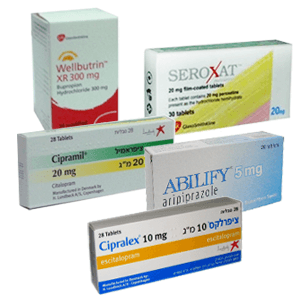
Potential Side Effects
Finding the right medication for OCD, anxiety, and depression can be challenging. Many drugs work by changing brain chemicals to improve mood and reduce unwanted thoughts. Each medicine may cause different side effects. Knowing these effects helps you stay safe and feel better. This guide explains common side effects and how to handle them.
Common Side Effects
Medications for OCD, anxiety, and depression often cause side effects. These effects can be mild or more serious. Most people experience some side effects at the start, but they often get better over time.
Common side effects include:
- Headaches: Mild to moderate, usually temporary.
- Dry mouth: A feeling of less saliva.
- Nausea: Feeling sick or upset stomach.
- Fatigue: Feeling tired or weak.
- Sleep problems: Trouble falling or staying asleep.
- Weight changes: Gain or loss of weight.
- Dizziness: Feeling lightheaded or unsteady.
Here is a table showing side effects for different medication types:
Medication Type | Common Side Effects |
SSRIs (e.g., fluoxetine) | Headache, nausea, sleep problems, weight change |
SNRIs (e.g., venlafaxine) | Dizziness, dry mouth, fatigue, nausea |
Tricyclics (e.g., clomipramine) | Dry mouth, constipation, dizziness, weight gain |
Benzodiazepines (e.g., lorazepam) | Drowsiness, dizziness, memory problems |
Managing Adverse Reactions
Side effects can be hard to handle but there are ways to reduce them. Talk to your doctor about any problems. Never stop medication without advice. Small changes can make a big difference.
Steps to manage side effects:
- Take medicine with food to lower stomach upset.
- Drink water to help with dry mouth.
- Rest if you feel tired or dizzy.
- Keep a symptom diary to track side effects and their severity.
- Adjust dose only under doctor guidance.
- Discuss switching medicines if side effects persist.
Sometimes, side effects go away after a few weeks. Patience is important during this time. Support from family or friends also helps. Always report serious symptoms like chest pain or severe mood changes immediately.
Medication Effectiveness Over Time
Choosing the right medicine for OCD, anxiety, and depression can be challenging. These conditions often occur together, making treatment complex. Medicines work differently for each person. Understanding how they help over time is important. Some medicines give quick relief, while others help in the long run. Knowing these differences helps people make better decisions about their health and treatment plans.
Short-term Benefits
Many medicines start to work within a few weeks. They can reduce symptoms like anxiety and sadness quickly. This fast effect helps people feel better and more hopeful.
- Selective serotonin reuptake inhibitors (SSRIs) often show results in 2 to 4 weeks.
- Anti-anxiety drugs can calm intense feelings quickly but are used carefully.
- Some medicines reduce obsessive thoughts soon after starting.
Short-term benefits include:
- Less worry and fear
- Improved mood
- Better sleep
- More energy to do daily tasks
Doctors often monitor patients closely at this stage. They check for side effects and how well the medicine is working. Adjustments may happen to find the best dose. Quick improvement can encourage people to keep using their medicine.
Long-term Management
Long-term treatment helps keep symptoms under control. It prevents problems from coming back or getting worse. Medicines for OCD, anxiety, and depression often need months or years of use. This ongoing care supports a steady, balanced mood.
Important points about long-term use:
- Consistency is key for lasting results.
- Some medicines take 8 to 12 weeks for full effect.
- Regular doctor visits help adjust treatment.
- Side effects usually lessen over time.
Medicine Type | Long-Term Effect | Notes |
SSRIs | Maintain symptom control | Commonly used for years |
Tricyclic Antidepressants | Help with OCD and depression | May cause more side effects |
Anti-anxiety Medications | Used short term only | Risk of dependence |
Long-term care also includes therapy and lifestyle changes. Medicines work best when combined with other support. This combined approach helps improve quality of life.
When To Seek Professional Advice
Finding the best medication for OCD, anxiety, and depression can be hard. These conditions often overlap and affect daily life deeply. Medicines help balance brain chemicals to ease symptoms. But choosing the right one depends on many things. Sometimes, medicines need changes to work well. Knowing when to seek professional advice is very important. Doctors can guide the right time to adjust or check treatments. This helps keep symptoms under control and improves quality of life.
Signs Medication Needs Adjustment
Medicine for OCD, anxiety, or depression may need changes if certain signs appear. These signs show the current medicine might not be working well enough or causing problems.
- Symptoms stay the same or get worse: If feelings of worry, sadness, or compulsions do not improve, medicine might need change.
- New or stronger side effects: Side effects like dizziness, nausea, or sleep problems may mean dose or type needs adjusting.
- Changes in mood or behavior: Sudden mood swings, increased irritability, or thoughts of self-harm require urgent review.
- Problems with daily activities: If medicine causes tiredness or difficulty focusing, it may need a new plan.
Keeping a diary of symptoms and side effects helps doctors decide on changes. Always share these details during appointments for the best advice.
Importance Of Regular Monitoring
Regular check-ups with a healthcare provider are key to managing OCD, anxiety, and depression. Monitoring helps keep track of how well the medicine works and if adjustments are needed.
Doctors may check:
- Symptom changes over time
- Side effects and their impact
- Mental health and mood stability
- Overall physical health
This table shows why regular monitoring matters:
Reason for Monitoring | Benefit |
Track symptom progress | Ensures medicine is effective |
Identify side effects early | Allows quick changes to avoid harm |
Adjust medicine dose | Improves symptom control without extra side effects |
Provide emotional support | Helps patient stay motivated and safe |
Regular visits also build trust between patient and doctor. This makes it easier to discuss problems and find better solutions.

Frequently Asked Questions
What Medications Are Commonly Used For Ocd, Anxiety, And Depression?
Selective serotonin reuptake inhibitors (SSRIs) are often prescribed for these conditions. They help balance brain chemicals linked to mood and anxiety. Examples include fluoxetine and sertraline.
How Do Antidepressants Help With Anxiety And Ocd Symptoms?
Antidepressants reduce feelings of worry and repetitive thoughts. They improve mood and make daily activities easier. Results usually appear after a few weeks.
Can Medication Alone Effectively Treat Ocd, Anxiety, And Depression?
Medication can reduce symptoms but is often best combined with therapy. Therapy helps build coping skills and changes negative thought patterns. Together, they improve overall recovery.
What Are Common Side Effects Of Ocd And Anxiety Medications?
Side effects can include nausea, sleep changes, and headache. Most side effects lessen after the body adjusts. Always talk to a doctor if side effects persist.
Conclusion
Finding the right medication for OCD, anxiety, and depression takes time. Each person responds to medicine in a different way. Doctors often try several options to see what works best. Medicine helps manage symptoms but is not the only solution.
Therapy and lifestyle changes also play important roles. Always talk to a healthcare provider before starting or changing medicine. Patience and support are key to feeling better. Keep hope alive and keep seeking help. Better days are possible with the right care and treatment plan.
