
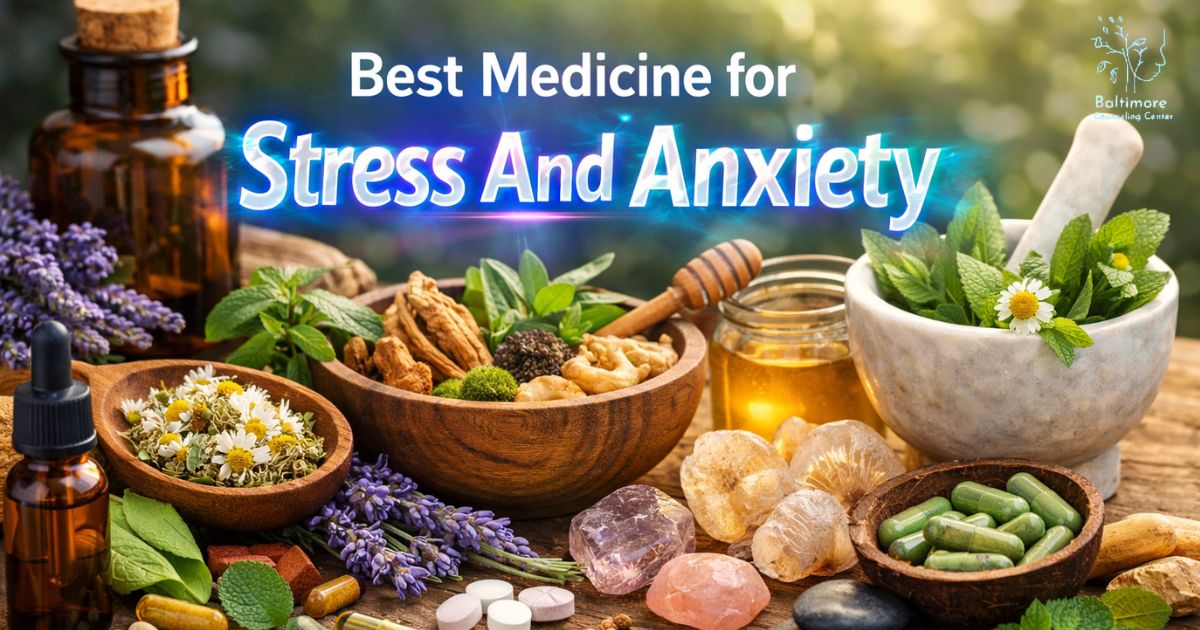
Feeling overwhelmed or constantly worried can take a serious toll on your daily life. You might be asking yourself, “What is the best medicine for stress and anxiety?” Finding the right solution is important because your peace of mind matters.
You’ll discover effective options that can help ease your tension and bring back balance. Keep reading to learn how to take control and feel better, starting now.
Common Stress And Anxiety Symptoms
Stress and anxiety affect many people every day. They can cause trouble in life and work. People want to find ways to feel calm and safe. Medicine can help, but it is not the only answer. Knowing the symptoms is the first step. Then, you can think about the right treatment.
Physical Symptoms
Stress and anxiety often show in the body. People might feel:
- Headaches and muscle tension
- Fast heartbeat and sweating
- Stomach pain or upset
- Feeling tired or weak
- Trouble sleeping or resting
Emotional Symptoms
Strong feelings can happen with stress and anxiety. Some signs are:
- Feeling nervous or worried all the time
- Being easily upset or angry
- Feeling sad or low
- Having trouble focusing or thinking clearly
- Feeling overwhelmed by small problems
Behavioral Symptoms
Stress and anxiety can change how a person acts. Look out for:
- Avoiding social events or friends
- Changes in eating habits
- Using alcohol or drugs more
- Restlessness or fidgeting
- Difficulty finishing tasks
Types Of Anxiety Disorders
Stress and anxiety affect many people worldwide. These feelings can make daily life hard to manage. Medicines can help reduce symptoms and improve wellbeing. Different medicines work for different types of anxiety. Knowing the right medicine depends on the kind of anxiety disorder someone has.
Generalized Anxiety Disorder (gad)
Generalized Anxiety Disorder causes constant worry about many things. People feel nervous most of the time. Symptoms include restlessness, tiredness, and trouble focusing. Medicines like SSRIs (Selective Serotonin Reuptake Inhibitors) often help calm the mind and reduce anxiety.
Panic Disorder
Panic Disorder involves sudden and strong fear attacks. These attacks can cause chest pain, sweating, and a fast heartbeat. Treatment usually includes benzodiazepines for quick relief and SSRIs for long-term control.
Social Anxiety Disorder
This disorder causes fear of social situations. People may avoid groups or speaking in public. Medicines such as SSRIs and sometimes beta-blockers help reduce fear and improve confidence.
Specific Phobias
Specific phobias mean strong fear of certain things like heights or animals. Treatment often uses therapy, but some medicines like beta-blockers can help with symptoms during exposure.
Post-traumatic Stress Disorder (ptsd)
PTSD happens after a person faces a very scary event. Symptoms include flashbacks and feeling tense. Medicines such as SSRIs help reduce these symptoms. Therapy is also important for recovery.
Medications For Anxiety Relief
Stress and anxiety affect many people daily. Medicines can help ease these feelings. They work by changing brain chemicals to reduce worry and tension. Choosing the right medicine depends on the person’s needs and health. It is important to understand options and talk to a doctor before starting any medicine.
Common Types Of Anxiety Medicines
Several types of medicines help reduce anxiety. Each works in a different way.
- Antidepressants: Often used for long-term anxiety control.
- Benzodiazepines: Fast-acting but for short-term use only.
- Beta-blockers: Help control physical symptoms like fast heartbeat.
- Buspirone: A medicine for ongoing anxiety with fewer side effects.
How Antidepressants Help Anxiety
Antidepressants change brain chemicals to improve mood and reduce worry.
Common types include: SSRIs (Selective Serotonin Reuptake Inhibitors) and SNRIs (Serotonin-Norepinephrine Reuptake Inhibitors).
They may take a few weeks to work. Side effects can happen but often lessen over time.
Using Benzodiazepines Safely
Benzodiazepines work quickly to calm anxiety symptoms. They are good for sudden intense anxiety.
Important to remember: Do not use for a long time. They can cause dependence or tiredness.
Role Of Beta-blockers In Anxiety
Beta-blockers reduce physical signs of anxiety, like shaking or fast heartbeat.
They do not change mood but help people feel calmer in stressful situations.
Buspirone For Anxiety Control
Buspirone is useful for ongoing anxiety problems. It does not cause drowsiness or dependence.
It may take a few weeks to see the full effect. It is often used when other medicines are not suitable.
Selective Serotonin Reuptake Inhibitors
Stress and anxiety affect many people daily. Medicines can help manage these feelings. One common group of medicines is called Selective Serotonin Reuptake Inhibitors (SSRIs). These medicines work by changing chemicals in the brain that affect mood and emotions.
How Ssris Work
SSRIs increase serotonin levels in the brain. Serotonin is a chemical that helps regulate mood. By keeping more serotonin available, SSRIs can help reduce feelings of anxiety and stress.
Common Ssris Used For Anxiety And Stress
Medicine Name | Brand Names | Use |
Fluoxetine | Prozac | Depression, anxiety, panic disorder |
Sertraline | Zoloft | Anxiety, PTSD, depression |
Escitalopram | Lexapro | Generalized anxiety, depression |
Paroxetine | Paxil | Social anxiety, panic disorder |
Benefits Of Ssris
- Reduce anxiety and stress symptoms.
- Improve mood and sleep quality.
- Generally safe when used as directed.
- Available in many forms: pills or liquids.
Possible Side Effects
Some people may feel nausea, headache, or tiredness. These side effects often improve after a few weeks. Talking to a doctor helps manage these issues. Never stop medicine without medical advice.
Benzodiazepines And Their Use
Stress and anxiety affect many people worldwide. They can make daily life hard. Medicines can help manage these feelings. One common group of medicines is benzodiazepines. These drugs work fast to calm the mind. It is important to know how they work and their effects.
What Are Benzodiazepines?
Benzodiazepines are medicines that act on the brain. They help slow down brain activity. This makes a person feel more relaxed and less anxious. Doctors often give benzodiazepines for short-term relief. They work quickly, sometimes within minutes.
Common Types Of Benzodiazepines
Medicine Name | Use | Duration |
Diazepam (Valium) | Anxiety, muscle spasms | Long-acting |
Alprazolam (Xanax) | Anxiety, panic attacks | Short-acting |
Clonazepam (Klonopin) | Anxiety, seizures | Intermediate-acting |
Lorazepam (Ativan) | Anxiety, insomnia | Intermediate-acting |
How Benzodiazepines Work
Benzodiazepines affect chemicals in the brain called GABA. GABA slows down brain signals. This reduces feelings of fear and worry. The calming effect helps people feel less stressed. The effect can last from a few hours to a day.
Possible Side Effects
- Drowsiness and tiredness
- Problems with memory or focus
- Dizziness or lightheadedness
- Feeling weak or unsteady
- Risk of dependence if used for a long time
Precautions And Use
Doctors usually prescribe benzodiazepines for a short time. Long use can cause dependence or withdrawal problems. These medicines should not be mixed with alcohol. Always follow the doctor’s instructions carefully.
Alternative And Natural Remedies
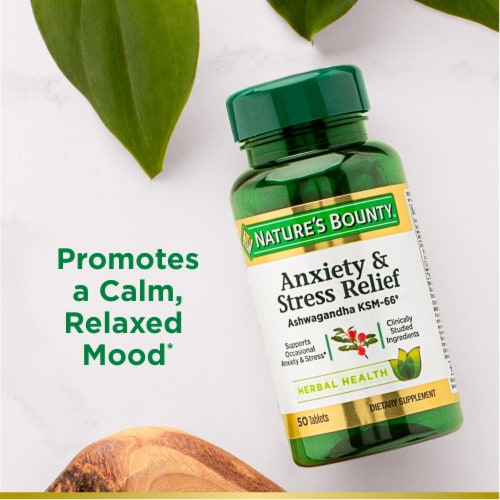
Stress and anxiety affect many people every day. Some prefer natural ways to feel better. These options can help calm the mind and body. They often have fewer side effects than medicines. Natural remedies work in different ways to reduce tension and worry.
Herbal Supplements
Certain herbs may help lower stress and anxiety. Popular choices include:
- Chamomile: Known for its calming effects.
- Lavender: Often used in oils or teas to relax.
- Valerian Root: Helps improve sleep and reduce anxiety.
- Passionflower: May ease nervousness and restlessness.
Mindfulness And Meditation
Focusing the mind can reduce anxious thoughts. Mindfulness means paying attention to the present moment. Meditation teaches how to relax and clear the mind.
Just a few minutes a day can help. It lowers heart rate and calms the brain.
Exercise
Physical activity is a strong stress reducer. It releases chemicals that improve mood. Walking, jogging, or yoga work well.
Exercise also helps sleep better and feel more energetic.
Diet And Nutrition
Food Type | Benefits for Stress and Anxiety |
Omega-3 Fatty Acids | Help reduce inflammation and improve brain health. |
Magnesium-rich Foods | Support nervous system function and calmness. |
Whole Grains | Provide steady energy and stabilize mood. |
Fruits and Vegetables | Contain vitamins and antioxidants that protect the brain. |
Breathing Techniques
Deep breathing helps control the body’s stress response. Simple steps include:
- Inhale slowly through the nose for 4 seconds.
- Hold the breath for 4 seconds.
- Exhale slowly through the mouth for 6 seconds.
- Repeat several times until feeling calm.
This method lowers blood pressure and eases anxiety.
Choosing The Right Medication
Stress and anxiety affect many people daily. These feelings can make life hard. Medicines can help calm the mind and body. Finding the right medicine is important. It depends on the person and their needs.
Types Of Medicines For Stress And Anxiety
There are several types of medicines used to treat stress and anxiety. Each works in a different way.
- Antidepressants: Help balance chemicals in the brain. Often used for long-term relief.
- Benzodiazepines: Work fast to reduce symptoms. Used for short periods only.
- Beta-blockers: Lower physical symptoms like fast heartbeat.
- Buspirone: Helps reduce anxiety without strong sedation.
How Medicines Work
Medicines change brain chemicals to reduce stress and anxiety. Some calm the nervous system quickly. Others build up slowly for steady relief.
Doctors choose medicines based on symptoms and health. They also watch for side effects and risks.
Possible Side Effects
All medicines can cause side effects. Some are mild, others more serious.
Medicine Type | Common Side Effects |
Antidepressants | Headache, nausea, tiredness |
Benzodiazepines | Drowsiness, dizziness, memory problems |
Beta-blockers | Cold hands, tiredness, slow heartbeat |
Buspirone | Dizziness, headache, nervousness |
Consulting A Doctor
Talking to a doctor is important before taking medicine. They can find the best option for each person.
Doctors check health history, other medicines, and needs.
Regular follow-up visits help track progress and adjust treatment.
Managing Side Effects Safely
Stress and anxiety medicines can help many people feel better. These medicines work by changing brain chemicals. But they can also cause side effects. Knowing how to manage these side effects is very important. Safe use helps keep health strong while feeling calm.
Common Side Effects Of Anxiety And Stress Medicines
Many medicines cause side effects. Some are mild and go away soon. Others need care and attention. Here are some common side effects:
- Drowsiness or tiredness
- Dizziness or lightheadedness
- Dry mouth
- Headaches
- Nausea or upset stomach
How To Reduce Side Effects Safely
Taking medicine exactly as the doctor says is very important. Do not stop or change the dose without advice. Some ways to lower side effects include:
- Take medicine with food to reduce stomach upset.
- Avoid alcohol while on these medicines.
- Drink plenty of water to help with dry mouth.
- Rest well if feeling sleepy or dizzy.
- Tell your doctor if side effects stay or get worse.
When To Contact A Doctor
Some side effects need quick help. Call a doctor if these happen:
- Severe allergic reaction like rash or swelling.
- Chest pain or trouble breathing.
- Severe dizziness or fainting.
- Unusual thoughts or mood changes.
- Very bad stomach pain or vomiting.
Medicines And Other Treatments
Stress and anxiety often need more than medicine. Combining medicine with other treatments can help. Examples include:
- Talking to a counselor or therapist.
- Practicing relaxation exercises.
- Regular physical activity.
- Good sleep habits.
This helps the body and mind stay balanced. It can lower medicine side effects too.
Frequently Asked Questions
What Medicines Are Commonly Used For Stress And Anxiety?
Doctors often prescribe antidepressants and anti-anxiety drugs for stress relief. These medicines help balance brain chemicals. They usually take a few weeks to show effects.
Can Natural Remedies Replace Medicine For Anxiety?
Some natural remedies like herbal teas and meditation can reduce mild anxiety. They work best with healthy habits like exercise and good sleep. Severe anxiety often needs medical treatment.
How Long Does Anxiety Medicine Take To Work?
Anxiety medicines usually start working within 2 to 4 weeks. Some drugs may take longer to show full benefits. Patience is important during this period.
Are There Side Effects From Stress And Anxiety Medicines?
Yes, common side effects include tiredness, dizziness, and dry mouth. Most side effects lessen after the body adjusts. Always talk to your doctor if side effects are severe.
Conclusion
Finding the best medicine for stress and anxiety depends on your needs. Different treatments work for different people. Some prefer natural remedies, while others need prescribed medicines. Always talk to a doctor before starting any new medicine. Managing stress also includes healthy habits and good sleep.
Small steps can bring big changes in how you feel. Stay patient and kind to yourself during this process. Your mental health matters the most. Keep exploring safe options and take control of your wellbeing today.
