

Feeling overwhelmed by sadness or emptiness can make everyday life feel heavy and hard to manage. If you’re struggling with depression, you’re not alone—and there are ways to find relief.
This article will guide you through simple, practical steps that can help you regain control and start feeling better. Keep reading, because understanding how to cope with depression could be the first step toward a brighter, more hopeful you.
Recognizing Depression Symptoms
Depression is a common illness that affects many people worldwide. It changes how a person feels, thinks, and acts. Knowing the symptoms is important to get help early. These signs can be different for each person. Some feel very sad, while others lose interest in daily activities. Understanding these symptoms can guide you or someone you care about to seek support.
Emotional Symptoms
Feeling very sad or empty most of the time is a key sign. People may also feel hopeless or worthless. Anxiety and irritability can happen often. Sometimes, there is a loss of interest in hobbies or things once enjoyed. These feelings can last for weeks or longer.
Physical Symptoms
- Changes in sleep: Trouble sleeping or sleeping too much.
- Change in appetite: Eating much less or more than usual.
- Low energy: Feeling tired even after rest.
- Body aches: Unexplained pain or headaches.
Behavioral Symptoms
People might avoid social activities or friends. There may be difficulty in concentrating or making decisions. Sometimes, they may withdraw from family or work. In some cases, thoughts about death or self-harm appear. These behaviors need careful attention.
How Long Do Symptoms Last?
| Duration | Description |
| Short-term | Symptoms last a few days to two weeks. May be linked to stress or loss. |
| Long-term | Symptoms persist for more than two weeks. Often needs professional help. |
| Chronic | Symptoms last for months or years. Can affect daily life severely. |
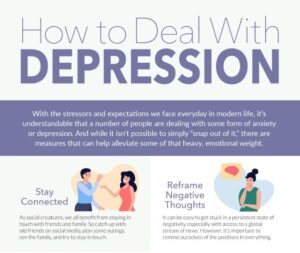
Seeking Professional Help
Depression is a serious condition that affects many people. Getting help from a professional can make a big difference. Professionals understand depression and can offer the right support. They listen and guide you through tough times.
Types Of Professionals To Consult
| Professional | Role | How They Help |
| Psychologist | Therapist | Talk therapy to change negative thoughts |
| Psychiatrist | Doctor | Can prescribe medicine if needed |
| Counselor | Support Specialist | Offers advice and coping strategies |
How To Find The Right Help
- Ask for recommendations from friends or family.
- Check online reviews of local professionals.
- Contact clinics or hospitals for advice.
- Make sure the professional is licensed and trained.
- Start with a simple call or visit to see if you feel comfortable.
What To Expect During Therapy
Therapy sessions usually last 30 to 60 minutes. You talk about your feelings and thoughts. The therapist listens carefully and asks questions. They help you find ways to feel better. It may take time to see changes. Patience is important.
The Role Of Medication
Some people need medicine to manage depression. A psychiatrist decides if medicine is right. Medicines can help balance brain chemicals. It takes weeks to see full effects. Always take medicine as prescribed. Never stop without doctor’s advice.
Building A Support Network
Dealing with depression can feel very lonely. A strong support network helps a lot. People around us provide comfort, care, and hope. They make tough days easier to face. Building this network needs time and trust. It starts with small steps and honest talks.
Who Should Be In Your Support Network?
Choose people who listen without judging. They can be family, friends, or coworkers. Sometimes, a teacher or a neighbor helps too. Professionals like therapists or counselors are also important. Good support comes from those who care and understand.
How To Reach Out For Help
Start by sharing small feelings and thoughts. Simple words can open doors. Use phone calls, messages, or face-to-face talks. Say things like, “I feel sad today,” or “Can we talk?” It is okay to ask for time and patience. Honesty builds stronger bonds.
Maintaining Your Support Network
- Stay in touch regularly. Even short chats help.
- Show appreciation for their support. A thank you means a lot.
- Be a good listener too. Support is a two-way street.
- Respect others’ feelings and limits. They cannot fix everything.
When To Seek Professional Help
| Signs to Notice | Why See a Professional? |
| Feeling hopeless for weeks | Experts offer special care and advice |
| Thinking about hurting yourself | Professionals can keep you safe |
| Not able to do daily tasks | Help to find ways to manage life |
| Strong sadness that doesn’t go away | Therapy and medicines may help |
Incorporating Physical Activity
Physical activity plays a key role in managing depression. Moving your body helps your brain release chemicals that improve mood. Even small steps can make a big difference.
Benefits Of Physical Activity For Depression
Exercise helps reduce feelings of sadness and anxiety. It can:
- Boost energy levels
- Improve sleep quality
- Increase self-confidence
- Lower stress
- Help focus thoughts
Types Of Physical Activities To Try
Simple activities work well. Choose what feels good for you.
- Walking for 15-30 minutes daily
- Stretching or yoga
- Light jogging or cycling
- Gardening or house chores
- Group sports or dance classes
How To Start And Keep Going
Start slow and be kind to yourself.
- Set small, clear goals
- Pick a time that fits your day
- Find a buddy or group to join
- Track progress with a calendar or app
- Celebrate each step forward
When To Get Help
If exercise feels too hard or causes pain, talk to a doctor. Physical activity helps, but it is not a full treatment for depression. Support from health professionals may be needed.
Practicing Mindfulness And Relaxation
Depression can feel heavy and hard to handle. Simple habits can help ease the mind. Practicing mindfulness and relaxation brings calm and peace. These methods help focus on the present moment. This focus reduces stress and negative thoughts.
What Is Mindfulness?
Mindfulness means paying full attention to now. Notice your thoughts, feelings, and body without judging. It helps you see things clearly and feel less overwhelmed. You can practice mindfulness anytime, anywhere.
Simple Mindfulness Exercises
- Deep breathing: Take slow, deep breaths to calm your mind.
- Body scan: Focus on each part of your body and relax it.
- Five senses: Notice what you see, hear, smell, taste, and touch.
- Mindful walking: Walk slowly and notice each step and breath.
Benefits Of Relaxation Techniques
Relaxation lowers stress and helps the body heal. It improves sleep and mood. Using relaxation daily can make tough days easier.
Types Of Relaxation Methods
| Method | Description | How It Helps |
| Progressive Muscle Relaxation | Tense and then relax muscles step by step. | Reduces physical tension and calms the mind. |
| Guided Imagery | Picture peaceful scenes or happy places in your mind. | Distracts from stress and creates calm feelings. |
| Meditation | Focus on your breath or a simple word. | Improves focus and reduces anxious thoughts. |
| Yoga | Combine movement, breathing, and meditation. | Strengthens body and relaxes the mind. |
Maintaining A Healthy Diet
Depression can affect your body and mind in many ways. Eating well helps improve mood and energy. Food gives your brain the nutrients it needs. Choosing the right foods can support mental health. A balanced diet is a simple step toward feeling better.
Eat More Fruits And Vegetables
Fruits and vegetables are full of vitamins and minerals. These nutrients help your brain work well. Eating a variety of colors means you get different benefits. Fresh produce also gives fiber, which helps digestion. Try to include fruits or vegetables in every meal.
Include Protein In Your Meals
Protein helps keep your energy steady throughout the day. It supports brain chemicals that affect mood. Good sources include eggs, beans, fish, and lean meat. Eating protein with each meal can improve focus and reduce tiredness.
Limit Sugar And Processed Foods
Too much sugar can cause mood swings and low energy. Processed foods often have unhealthy fats and little nutrition. Reducing these foods can help your mood stay stable. Choose whole grains and natural snacks instead.
Stay Hydrated
Drinking enough water is important for your brain and body. Dehydration can cause tiredness and trouble concentrating. Aim to drink several glasses of water every day. Avoid too many sugary drinks and caffeine.
Plan Your Meals
Planning meals helps you eat healthy regularly. It reduces stress about what to eat. Preparing food at home lets you control ingredients. Try making simple menus for the week ahead. This can keep your diet balanced and your mood steady.
Setting Realistic Goals
Dealing with depression feels hard. Setting small, clear goals helps. Goals give a sense of direction and hope. They make tasks easier to handle. Start with simple steps that feel possible.
Why Set Realistic Goals?
Realistic goals prevent feeling overwhelmed. Big goals can cause stress. Small steps build confidence slowly. They show progress and bring satisfaction. This helps fight sadness and low energy.
How To Choose Your Goals
- Pick goals that match your energy level. Don’t push too hard.
- Focus on one or two tasks each day. Avoid too many goals.
- Make goals clear and simple. For example, “walk for 10 minutes.”
- Write goals down to remember them.
Tracking Your Progress
Keep a journal or a chart. Write what you did each day. Check off small wins. This shows growth over time. It keeps motivation alive.
Adjusting Goals When Needed
Sometimes energy changes daily. Change goals to fit how you feel. It’s okay to rest or try less. Being flexible helps avoid frustration. Goals should help, not hurt.
Avoiding Negative Triggers
Depression can feel heavy and hard to handle. Negative triggers make feelings worse. Recognizing and avoiding these triggers helps protect your mood. Small changes can bring calm.
What Are Negative Triggers?
Negative triggers are things that cause sadness or stress. They can be places, people, or thoughts. Knowing what triggers you is the first step to feeling better. Triggers are different for everyone.
Common Negative Triggers
- Stressful situations: Work pressure or family fights.
- Negative people: Those who bring you down.
- Unhealthy habits: Poor sleep or bad diet.
- Social media: Comparing yourself to others online.
- Isolating yourself: Staying alone for too long.
How To Avoid Negative Triggers
- Set boundaries: Say no to things that upset you.
- Limit time with negative people: Spend more time with positive friends.
- Create a daily routine: Helps reduce stress and uncertainty.
- Take breaks from social media: Focus on real-life moments.
- Practice relaxation: Try deep breathing or short walks.
Tracking Your Triggers
Keep a small notebook or use your phone to write down feelings. Note what made you sad or upset. Look for patterns after a few days or weeks. This helps you see which triggers to avoid.
When Triggers Are Hard To Avoid
Sometimes, triggers come from work or family. Use coping tools like talking to someone you trust. Plan small breaks and focus on what you can control. Little steps help handle tough moments.
Frequently Asked Questions
What Are Simple Daily Habits To Reduce Depression Symptoms?
Regular exercise, good sleep, and healthy eating help lift mood and reduce depression signs.
How Can Talking To Others Help With Depression?
Sharing feelings with friends or a counselor eases stress and brings support.
When Should Someone Seek Professional Help For Depression?
If sadness lasts weeks or stops daily life, seeing a doctor is important.
Conclusion
Dealing with depression takes time and patience. Small steps help build strength daily. Talking to someone can ease your burden. Taking care of your body supports your mind. Finding activities you enjoy brings moments of peace. Remember, you are not alone in this journey.
Healing is possible with support and effort. Keep moving forward, one day at a time. Your feelings matter, and help is available. Stay hopeful and gentle with yourself always.
