
Have you noticed changes in your teen’s mood or behavior that worry you? Understanding the Symptoms of Depression in Teens is crucial because it often looks different from adult depression.
You might be asking yourself, “Is this just typical teenage moodiness, or something more? ” This article will help you spot the signs early, so you can support your teen before things get harder. Keep reading to learn what to watch for and how to take action.
Your awareness could make all the difference.
Emotional Signs
Depression in teens can show through their feelings and moods. These emotional signs often affect how teens think and act daily. Recognizing these signs early helps to provide support and care.
Persistent Sadness
Teens with depression often feel sad or empty most of the time. This sadness lasts for weeks or months and does not go away easily.
Loss Of Interest
Activities that once made teens happy may no longer interest them. They might stop enjoying hobbies, sports, or time with friends.
Feelings Of Worthlessness
Many teens feel bad about themselves or think they are a failure. These feelings lower their self-esteem and confidence.
Frequent Irritability Or Anger
Teens may seem angry or frustrated more often than usual. Small problems can cause strong reactions or mood swings.
Difficulty Concentrating
Depression can make it hard for teens to focus on school or tasks. They might seem distracted or forgetful.
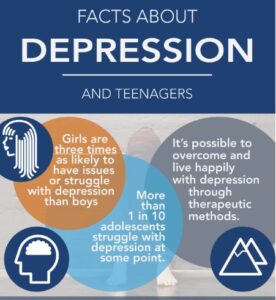
Behavioral Changes
Depression in teens often shows through changes in behavior. These changes can be sudden or slow. They can affect how a teen acts at home, school, or with friends.
Recognizing these changes early can help in getting support. Teens might not always say how they feel. Their actions can give important clues.
Withdrawal From Friends And Family
Teens may stop spending time with people they once liked. They might avoid friends and family. This can happen because they feel sad or tired.
Loss Of Interest In Activities
Activities that used to bring joy may no longer seem fun. Hobbies, sports, or clubs might be dropped. This loss of interest is a key sign.
Changes In Sleep Patterns
Sleep habits often change with depression. Some teens sleep too much. Others find it hard to sleep at all. Both are important signals.
Changes In Eating Habits
Eating habits may increase or decrease. Some teens eat more than usual. Others may lose their appetite. Weight changes can be noticed.
Difficulty Concentrating
School work and daily tasks might become harder. Teens may seem distracted or forgetful. This can affect their grades and routine.
Increased Irritability Or Anger
Teens may become easily upset or angry. Small things might cause big reactions. This mood change is common in depression.
Risky Or Reckless Behavior
Some teens might take more risks than usual. This can include dangerous activities or breaking rules. It can be a cry for help.
Physical Symptoms
Depression in teens often shows through their body. These signs are not just about feeling sad. Teens may feel tired all the time. Their energy can drop a lot. Sometimes, they may have headaches or stomachaches. These pains happen even if no illness is found.
Sleep problems are very common. Some teens sleep too much. Others find it hard to sleep at night. Eating habits also change. Some may eat a lot more or less than usual. These changes affect their weight.
Common Physical Signs
- Constant tiredness without a clear reason
- Frequent headaches or stomach pains
- Changes in sleeping patterns: too much or too little
- Loss of appetite or eating much more
- Noticeable weight gain or loss
Body Aches And Pains
Teens with depression often complain about body pain. These pains do not have clear causes. Doctors may check but find nothing wrong. This is because the pain comes from the mind, not the body. It is very real for the teen, though.
Sleep Changes
Sleep problems can show in many ways. Some teens sleep very little. They feel awake but tired all day. Others sleep more than usual. Even after many hours of sleep, they feel tired. These sleep changes make daily life hard.
Appetite And Weight Changes
Depression can make teens eat differently. They might not feel hungry at all. This leads to weight loss. Some teens eat more to feel better. This causes weight gain. Both changes are signs of depression to watch for.
Academic Impact
Teens with depression often show changes in their daily life. These changes can be hard to notice. Depression affects how teens think, feel, and act. It can make school and friends difficult. Knowing the signs helps parents and teachers offer support.
Changes In School Performance
Teens with depression may have lower grades than before. They might find it hard to focus or finish homework. Some may lose interest in subjects they once liked. This can cause poor test results and missed deadlines.
Attendance Problems
Skipping school or being late often shows trouble. Depression can make teens feel tired or sick. They may want to avoid school because of stress or sadness.
Difficulty Concentrating
Depression can make it hard to pay attention in class. Teens may forget what they learn quickly. This makes studying and remembering facts a struggle.
Lower Motivation And Participation
Teens might stop joining class activities or clubs. They may feel tired or uninterested in schoolwork. This lack of motivation can affect their overall success.
Signs Table
| Symptom | What to Look For | Effect on School |
| Lower Grades | Dropping scores in tests and homework | Poor academic performance |
| Attendance Issues | Frequent absences or lateness | Missed lessons and information |
| Concentration Problems | Difficulty focusing in class | Reduced learning and memory |
| Low Participation | Not joining group work or activities | Less engagement with school |
Social Withdrawal
Depression in teens often causes them to pull away from others. They may stop spending time with friends and family. This is not just shyness or moodiness. It is a clear sign of emotional struggle.
Teens might avoid social events or group activities. They may feel too tired or sad to join in. Sometimes, they choose to stay alone in their rooms for long periods.
Social withdrawal can make depression worse. The lack of connection can increase feelings of loneliness and sadness. Friends and family may worry but not know how to help.
Signs Of Social Withdrawal In Depressed Teens
- Less talking to friends or family than usual
- Skipping school or social events frequently
- Spending a lot of time alone without clear reason
- Not showing interest in hobbies or activities
- Feeling uncomfortable in social situations
Sleep Pattern Disruptions
Depression in teens can look different than in adults. Many teens hide how they feel. It can be hard to notice signs. Knowing common symptoms helps parents and friends support them. One key sign is change in sleep habits. Sleep problems often show when a teen feels sad or stressed.
Difficulty Falling Asleep
Teens with depression often find it hard to fall asleep. They may lie awake for hours. Their mind might feel busy or worried. This makes rest hard and leaves them tired the next day.
Sleeping Too Much
Some teens sleep much more than usual. They might spend most of the day in bed. Oversleeping can be a way to avoid feelings or problems. It may also make them feel more tired and sad.
Waking Up Often At Night
Waking up many times during the night is common. Teens might feel restless or have bad dreams. This breaks their sleep and stops their body from resting well.
Changes In Sleep Schedule
Depressed teens may change their usual sleep times. They might stay up very late and wake up late. Or they may sleep at odd times during the day. This shift can make daily life harder.
Risky Behaviors
Depression in teens can show in many ways. It is not always easy to see. Some teens may feel very sad or lose interest in things they liked. Others might act differently or take risks that are not safe. Knowing these signs helps to support them early.
Changes In Daily Habits
Risky behaviors can include changes in how teens act every day. They might start skipping school or not doing homework. Some teens may stop spending time with family and friends.
Substance Use
Using alcohol or drugs is common in teens with depression. They may use these to feel better or forget their problems. This can make depression worse and cause new troubles.
Self-harm And Dangerous Actions
Some teens may hurt themselves on purpose. This is a way to cope with strong feelings. Other risky actions include reckless driving or unsafe sex. These behaviors are signs that a teen needs help.
Warning Signs Table
| Risky Behavior | What to Watch For |
| Skipping School | Missing classes often without good reason |
| Substance Use | Using alcohol or drugs to cope with feelings |
| Self-Harm | Cutting or hurting themselves on purpose |
| Unsafe Behavior | Taking dangerous risks like reckless driving |
Frequently Asked Questions
What Are The Common Signs Of Depression In Teenagers?
Teen depression signs include sadness, irritability, loss of interest, tiredness, and trouble sleeping or eating.
How Can Depression Affect A Teen’s Daily Life?
Depression can cause poor school work, low energy, social withdrawal, and mood swings in teens.
When Should Parents Seek Help For Teen Depression Symptoms?
Seek help if symptoms last weeks, worsen, or affect daily activities and relationships.
Conclusion
Recognizing depression symptoms in teens helps provide the right support. Changes in mood, sleep, or energy might signal a problem. Talking openly can make teens feel understood and less alone. Early help improves their chances of feeling better soon. Friends, family, and teachers all play a role in noticing signs.
Taking action shows you care and can make a big difference. Stay patient and watch for ongoing changes. Support and understanding create a safe path toward healing. Depression is tough, but teens can get through it.
